A sensory-friendly learning space can make all the difference when it comes to having a supportive homeschool environment for neurodiverse children. It can transform homeschooling into a more effective, enjoyable experience for both you and your child.
Children with sensory sensitivities or unique learning needs, such as those on the autism spectrum, with ADHD, often benefit from an environment tailored to minimize distractions and support their comfort. Here are some practical tips to help you set up a sensory-friendly homeschool space that promotes focus, calm, and active learning.
What Does Sensory-Friendly Space Mean?
When we talk about something being sensory-friendly, we refer to environments or experiences designed to accommodate individuals who may have disorders that cause sensory sensitivities. These include most of conditions that fall under the neurodiverse label (i.e, sensory processing disorder, autism, ADHD, anxiety etc.).
Sensory-friendly spaces typically feature reduced lighting, minimal background noise, and calming colors, all aimed at creating a more comfortable atmosphere. Moreover, They also often provide various sensory tools, like squishy toys or fidget items, which can help individuals feel regulated.
By prioritizing sensory wellness, we recognize the importance of inclusivity and strive to ensure that everyone feels safe and welcomed in their surroundings. This helps them to engage more fully with what is going on in their environment.
Creating a Comfortable Homeschool
There are several ways to get a homeschooling space to be sensory-friendly. Here are six great ways to do so:
1. Choose a Quiet, Dedicated Space
A dedicated area for homeschooling can make a world of difference in reducing distractions and creating a routine. Look for a low-traffic part of your home that allows some separation from louder family areas, such as the living room or kitchen table. If possible, select a room with a door to help manage noise levels, and consider using sound-absorbing materials (like rugs or curtains) to create a quieter, less bright space.
2. Create a Flexible Layout with Defined Areas
Many neurodiverse children benefit from a structured yet adaptable layout with defined zones for different activities. For example:
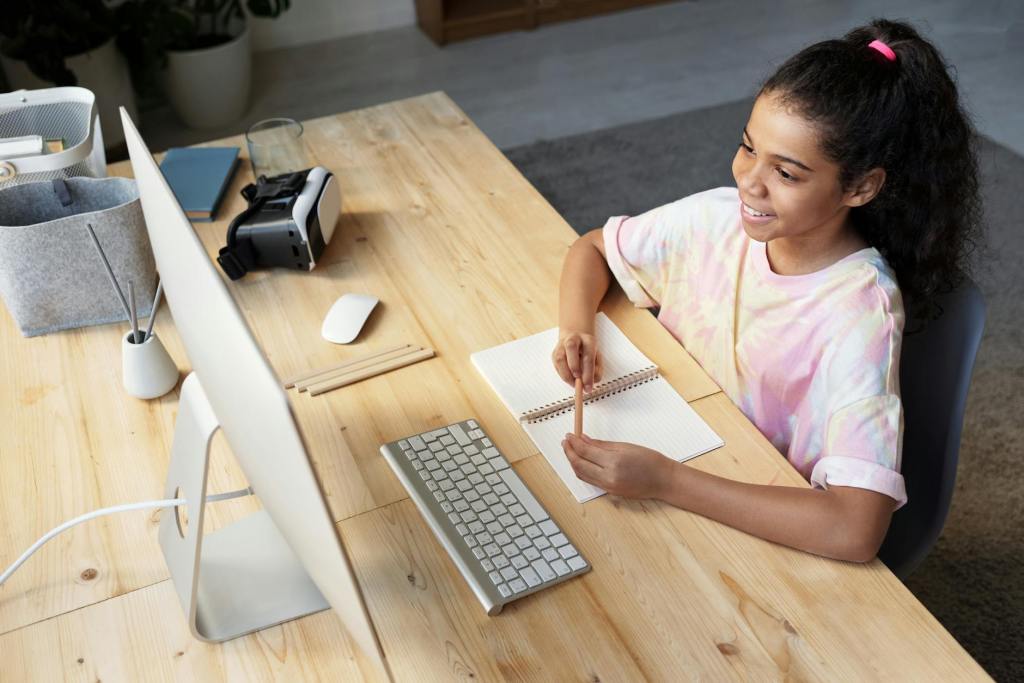
- Academic Area: A desk or table with minimal distractions for focused work and reading.
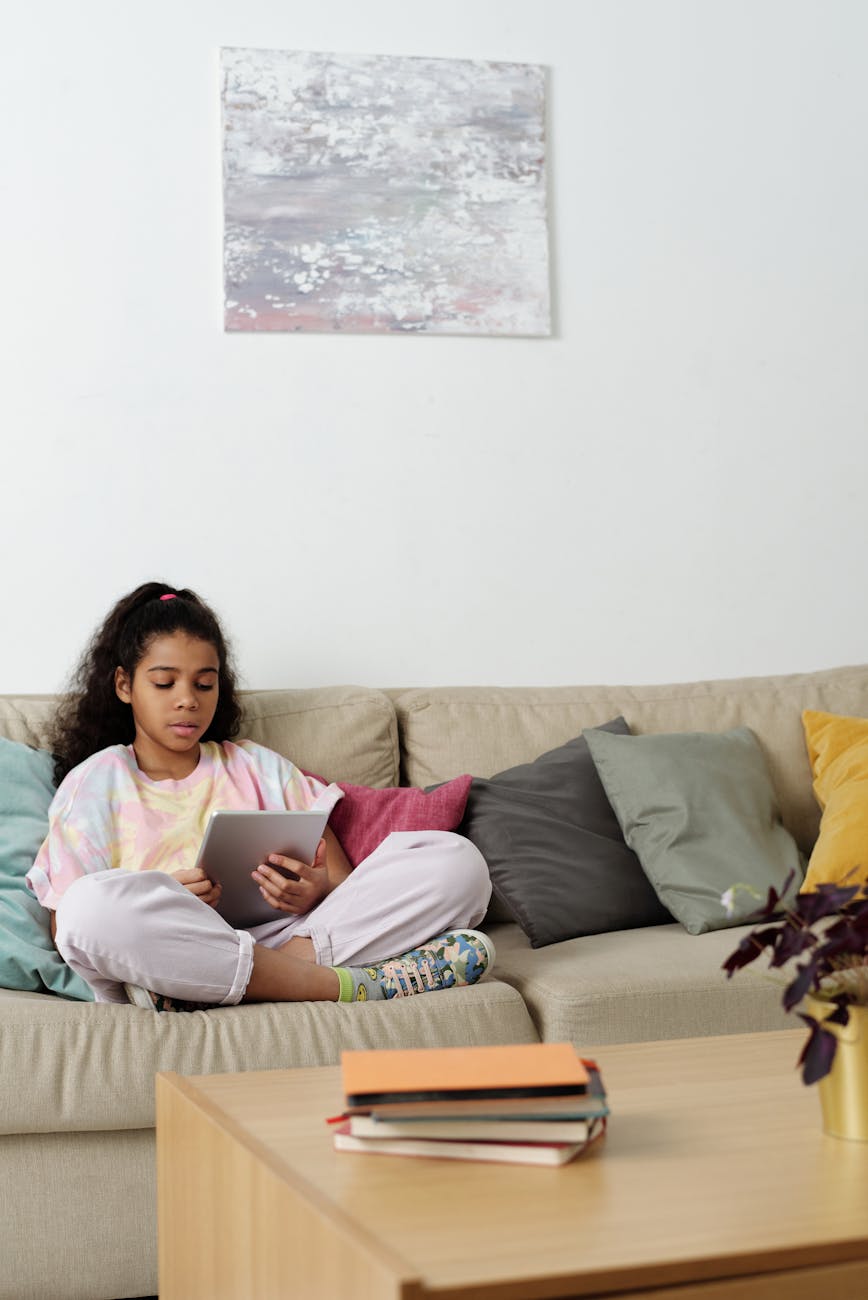
- Sensory Break Area: A soft corner with pillows, bean bags, or sensory cushions where your child can take breaks.
- Movement Area: Space for stretching, jumping, or using sensory equipment like a mini trampoline, balance board, or rocking chair.
Having these areas makes it easier for your child to understand when it’s time for focused work and when they can take a break.
3. Reduce Visual Clutter
A space free from visual clutter can help children focus better, especially those with ADHD or sensory sensitivities. Keep decorations, posters, and busy patterns to a minimum in the main learning area. Try:
- Using neutral, calming colors like soft greens or blues on walls.
- Keeping materials stored in labeled bins or drawers to minimize visual distractions.
- Adding subtle pops of color only in areas where they won’t distract from learning.
- Stick with only a couple posters on the wall if you really feel like you need them up.
4. Incorporate Calming Sensory Elements
Sensory-friendly elements can help soothe and regulate children who may feel overwhelmed by learning demands. Consider adding:
- Soft Lighting: Natural light is ideal, but if that’s not possible, use soft, warm-toned lamps rather than harsh fluorescent lighting.
- Weighted Blankets or Lap Pads: These can provide a sense of comfort and calm during reading or seated activities.
- Noise-Canceling Headphones: For kids sensitive to sounds, these can help block out background noise and increase focus.
5. Add Sensory Tools for Breaks and Focus
Sensory tools can help neurodiverse children stay engaged or calm down when they’re feeling overstimulated. Popular tools include:
- Fidgets: Small objects like stress balls, putty, or twistable toys are great for busy hands.
- Chewables: For kids who benefit from oral sensory input, chewable jewelry or tubes can be effective.
- Visual Timers: A visual timer, like a sand timer or countdown clock, helps some children manage time without anxiety about when an activity will end.
6. Customize for Sensory Sensitivities
Tailor the environment to your child’s unique sensory preferences. For instance:
- If they’re sensitive to certain textures, choose smooth or soft fabrics for seating.
- If they find certain sounds calming (like nature sounds or white noise), consider a white noise machine or a quiet fan.
Sample Daily Routine for a Sensory-Friendly Homeschool Environment
Creating a consistent daily structure can also help neurodiverse children feel more secure. Here’s a sample schedule that includes sensory-friendly practices:
- Morning Welcome: Begin the day with a calming activity, like deep breathing or stretching, to set a focused tone.
- Focused Learning Time: Work on core subjects in a quiet zone, using noise-canceling headphones if needed.
- Sensory Break: Take a 5–10 minute break with movement activities or sensory play.
- Hands-On Learning: Engage in a hands-on activity, such as a science experiment or art project, allowing your child to explore textures and engage actively.
- Midday Break: Have a nice, comforting lunch
- Afternoon Lessons and Cool-Down: Finish the day with a softer, quiet activity, such as reading, journaling, or relaxing in the sensory break area.
In Conclusion
Creating a sensory-friendly learning space is an evolving process. Your child’s needs may change over time, so be open to adjusting your setup. Most importantly, involve your child in the design process to make it a place they feel comfortable and excited to learn in.
Let me know in the comments if these tips are helpful for you. Also, keep checking back for our Time Travel Adventures curriculum!