
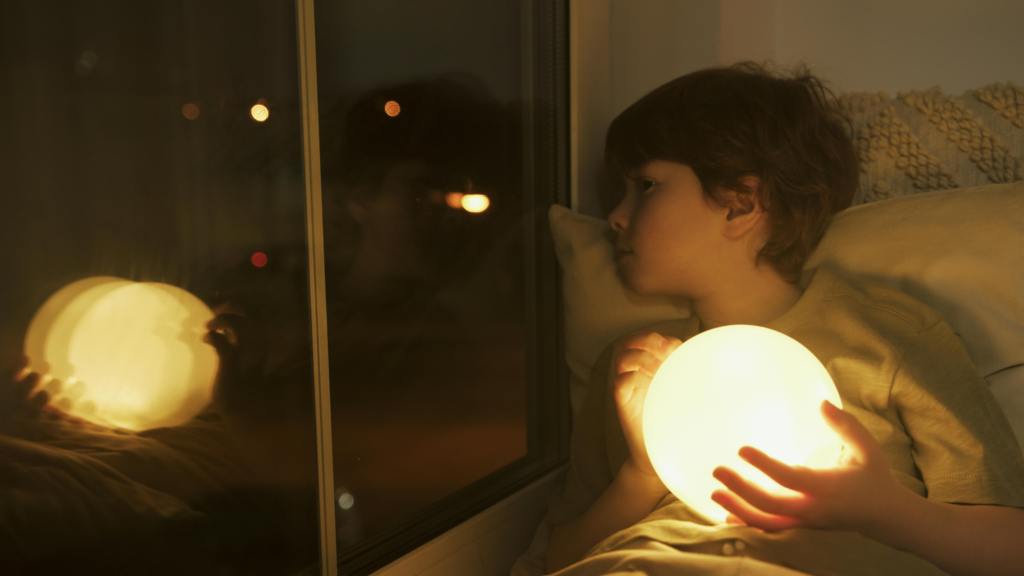
Bedtime anxiety is incredibly common in neurodivergent kids and it doesn’t just affect preschoolers. Elementary and even middle school kids struggle with night time transitions, fears and the inability to “turn off” their brains.
As a former behavior therapist, parent of a level two autistic child, and educator, I’ve seen (and lived!) this struggle from every angle. The good news? Understanding WHY it happens is the first step to making bedtime easier for everyone.
In this post, why it happens, the signs and strategies will be discussed.
The Whys of Bedtime Anxiety In Neurodivergent Kids
There are a variety of reasons as to why bedtime anxiety might occur in children who are neurodiverse. I will break all the reasons down below:
Transitions-
- Daytime to night time is a huge transition for young people. They go from being all up and active (some way more than others!) to having to be still enough to keep themselves in a bed.
- Executive function challenges that some neurodiverse children have make it difficult to wind down. This is because their ability to regulate emotions, manage time effectively, and transition from one activity to another can be significantly impacted, leading to a state of restlessness or heightened anxiety during moments that would typically allow for relaxation.
- The hyperfocus some children with autism (and other neurodiverse conditions) tend to have for certain things might make stopping focusing on them tough. This can lead to meltdowns that might last quite a while depending on the child.
Sensory Sensitivities-
- Darkness that comes with night time changes sensory input. This might end making children feel scared and uncomfortable.
- There are certain sounds that get louder at night (like crickets). These might make children who are sensitive to sounds have a hard time getting to sleep.
- Some neurodiverse children might be sensitive to bedding textures or just having bedding on them at all. This can make it hard for them to stay in bed and/or fall asleep.
- A neurodiverse child’s “sensory system” might still be on, constantly processing stimuli from their environment. This heightened state of awareness would make it hard for them to sleep as they struggle to filter out the noise, light, and other sensory inputs that can create discomfort and distraction during the night.
Processing and Rumination
- ADHD brains tend to start running in the evening as stimulation decreases. This can make them feel uncomfortable and unable to wind down to fall asleep. Then, bedtime becomes something they dread each night.
- Autistic children often times know that their social skills are not on the same level as neurotypical children’s are- but they might try really hard to get them there. Because of this, they might run through social situations during the day in their head at night and wonder/worry about whether they said or did the right thing. If this is something that happens frequently for them-they might then start getting anxious to go to bed each night.
- Neurodiverse children might feel anxious about facing their struggles during the day thus making them anxious at bedtime for the next day ahead.
- Night time typically means that everyone else will be winding down for bed and quieter. Without the distractions, thoughts tend to get loud. This can be overwhelming, causing a child to experience anxiety as they know what is coming each night.
Fear of the Unknown-
- Night time can mean less control and predictability over things depending on how the family structures their days and nights. This can make neurodiverse children uncomfortable and dread evenings.
- There might be fear of the dark as they can’t see much unless the light is on. This fear is common even among neurotypical children and can cause bed time anxiety.
- Dreams and nightmares might feel real to neurodiverse and neurotypical children-making them feel anxiety when bed time is coming.
Sleep Biology Differences-
While these aren’t anxiety per se- they do make bed time difficult.
- Many neurodiverse children have delayed sleep phases which makes staying asleep difficult.
- There are said to possibly be some melatonin production differences in neurodiverse children which can make staying asleep more difficult.
- They might not just be “difficult” when it is time for bed- it might be some kind of medical issue.
Signs Your Child Has Bedtime Anxiety
There are certain signs that show your child might have bedtime anxiety and they are as follows:
- Bedtime resistance or battles
- Taking 1-2 hours to fall asleep
- Repeatedly calling for you or leaving their room
- Physical complaints (i.e. stomach aches and headaches)
- Needing specific rituals that grow increasingly complex
- Fear of being alone in their room
- Asking repetitive question to delay bedtime
- Increased meltdowns around bedtime
- Difficulty staying asleep or nightmares
Strategies That Actually Help
If you look at the signs of bedtime anxiety and feel that your child might be dealing with that, there are quite a few strategies that can help. We have broken them down for you below:
Predictable Routines (But Keep Them Flexible)-
- Visual Schedules- These work great for younger children in particular because they can easily see what is going to happen next so that they are aware.
- Written Checklists- These are great for older children as they are more up to their level of being able to read and giving them control of checking things off themselves.
- Same But With Choice- Having the routine be the same each night but allowing for some choices can give the children the predictability and the control they might need to feel comfortable enough to go to sleep.
Sensory Friendly Sleep Environment-
- Weighted blankets tend to be a great thing to try as the pressure of it can really calm a child down and make bedtime easier.
- Calming sounds such as gentle waves might help some children feel calm enough to wind down and fall asleep.
- Some children might have needs relating to lighting at bedtime. Black out curtains or a dim night light might help depending on the child.
- The temperature might be something that could be looked into for helping a neurodiverse child with bedtime anxiety. Parents/caregivers can try lowering or increasing the temperature just for the night. They can also try a fan in the room or have give them more blankets when they are in bed.
- If textures/fabric types of clothing are an issue during the day requiring certain types, it might be a good idea to make sure that the pajamas have the same texture/fabric as well.
Wind Down Time (Not Screen Time)-
- Instead of screen time and adventurous activities 30-60 minutes before bedtime- calm activities should be tried. These can include reading, listening to audiobooks and engaging in quiet play.
- If possible, dimming the lights everywhere in the house can help to signal that bedtime is coming.
Addressing the Brain Race-
- Have them do some journaling and reflecting to get their feelings out can be helpful at bed time for older children.
- If having control and knowing what is coming next makes the child feel better, they can write down the tasks they need to do the next day to cut down on the anxiety they might feel when going to bed.
- Breathing exercises are good techniques to relax and calm the mind.
- To redirect children’s thoughts, age-appropriate audiobooks and podcasts can be something to try. Make sure they aren’t too adventurous and exciting- save those for the day time!
Gradual Independence-
- If a child can only fall asleep if the parent/caregiver is there, gradually moving away a few days and phasing themselves out can help.
- One can implement “bedtime passes” where the child can leave their room only a certain number of times. This is great if you have a child who frequently gets out of bed to delay going to sleep.
- Parents/caregivers can do check-ins at certain intervals if a child fears being alone in their room.
Consistent Sleep Schedule-
Having the same bedtime/wake time schedule even on weekends can really help the bedtime anxiety as it regulates the circadian rhythm.
Work With Their Biology-
If a child’s sleep phase is truly delayed, their bedtime should be adjusted to slightly later. Forcing a certain bedtime when they aren’t tired until later can be part of the bedtime struggles.
Physical Activity During the Daytime-
Making sure a child with bedtime issues gets tired out during the day with activity, makes them falling asleep and staying asleep- easier (in most cases). It is important to make sure that the physical activity isn’t done too close to bedtime, however.
Professional Support When Needed-
It might be beneficial to get professional help for the bedtime anxiety. A sleep specialist can do some testing to figure out if there is a medical problem that can be treated. Also, therapy could be a choice if a child’s anxiety is severe enough.
How Learning About Night Time Can Help
One powerful way to reduce bedtime anxiety is to help kids UNDERSTAND nighttime. When nighttime transforms from “scary unknown” to “fascinating subject,” fear often decreases.
Learning about:
- Nocturnal animals and their adaptations
- Why we need sleep (the science!)
- Jobs people do at night (it’s not empty/scary – people are awake!)
- Moon phases and stars (nighttime isn’t darkness – it’s celestial beauty)
- Cultural nighttime traditions around the world
- Dreams and how our brains work at night
…can completely shift a child’s perspective.
This is one of the reasons why we are in the process of creating a new unit called, The Night Shift – a comprehensive 12-week curriculum exploring nighttime through science, society, and imagination. It’s designed to help K-5th graders understand and appreciate nighttime, which often naturally reduces anxiety.
You can also explore nighttime topics informally through:
- Library books about nocturnal animals
- Stargazing together
- Discussing your own nighttime routine
- Learning about sleep science together
Conclusion
Bedtime anxiety in neurodivergent kids is real, common, and not a sign of bad parenting or a “difficult child.” It’s a neurological difference in how their brains process transitions, sensory input, and nighttime itself.
With patience, understanding, and the right strategies, bedtime can become calmer for everyone. It might not be perfect every night, but progress is possible.
Remember: you’re not alone in this struggle, and small changes can make a big difference.
What bedtime strategies have worked for your family? Share in the comments! Also, check back at our store periodically to see new products that we have to offer!







 Accessible Pathways