
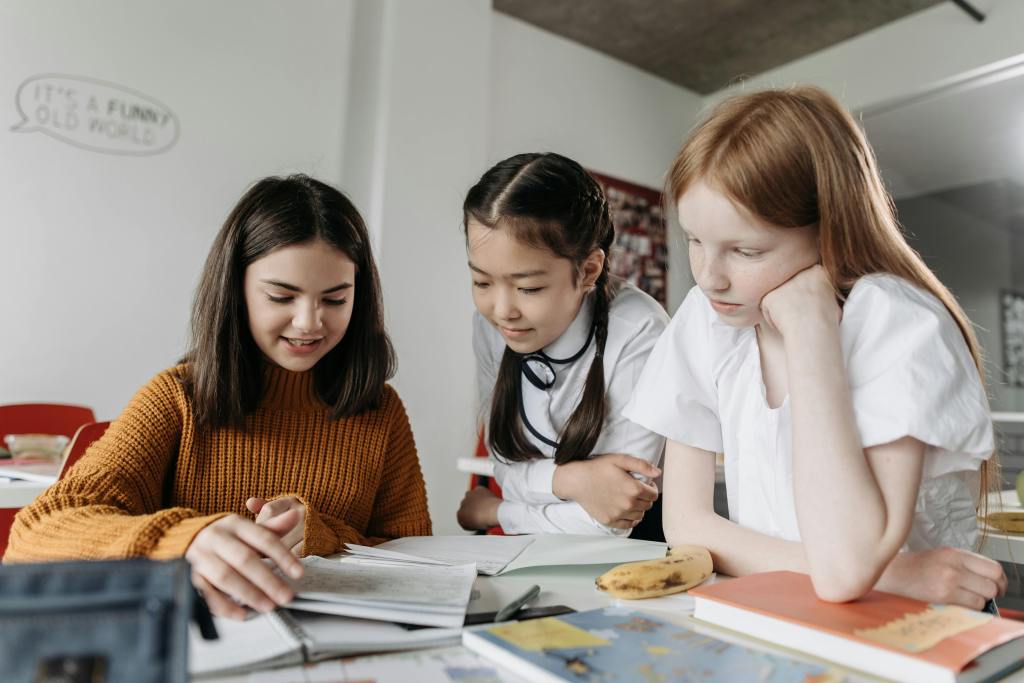
Interdisciplinary learning for twice-exceptional students solves a problem that traditional education constantly creates: how do you challenge a gifted mind while accommodating learning differences?
Too often, 2e kids end up bored by grade-level content but overwhelmed by traditional gifted programs that don’t account for ADHD, autism, dyslexia, or other neurodivergent traits. They’re capable of incredible depth and complexity, yet they shut down when faced with worksheets, rote memorization, or single-subject lessons that feel disconnected from anything meaningful.
The Accessible Pathways team consists of a former behavior therapist, caregiver to neurodivergent children and special education teachers. We have all seen firsthand how the right approach can transform a struggling, disengaged learner into someone who can’t wait to dive into their studies.
In this post we will be discussing all about interdisciplinary learn and how it is great for this population of students.
What Does Twice-Exceptional Mean?
Twice-exceptional (or 2e) refers to when a learner is deemed intellectually gifted but is also identified as having a learning disability. This makes their academic journeys a tricky as they have two needs to be met (hence the name)- their high abilities in some areas and difficulty in others.
Here are the common twice-exceptional combinations seen in learners:
- Gifted + autism
- Gifted + ADHD
- Gifted + speech/language issues
- Gifted + emotional behavioral issues
- Gifted+ dyslexia
- Gifted+ dysgraphia
Traditional curriculum tends to fail twice-exceptional learners because it often does not accommodate their unique blend of exceptional abilities and disabilities. This can lead to frustration and disengagement. Furthermore, standard teaching methods generally focus on a one-size-fits-all approach to learning, disregarding the need for differentiation and personalized support. As a result, twice-exceptional learners frequently find themselves either unchallenged and bored, due to a lack of stimulating material that matches their intellectual capabilities, or overwhelmed and lost in a curriculum that does not recognize their individual struggles.
This disconnect that occurs not only hampers their academic performance but can also negatively impact their self-esteem and motivation to learn, creating a cycle of underachievement that is difficult to break.
What is Interdisciplinary Learning?
Interdisciplinary learning is something that fosters collaboration among different fields of study, allowing students to draw connections between various disciplines. This approach encourages critical thinking and creativity by integrating knowledge from several areas such as science, art, math, language arts and social studies. This leads to a deeper understanding of complex subjects.
Through collaborative projects and shared insights, learners can develop a more holistic view of the world, which not only enhances their academic experience but also prepares them for real-world challenges where multi-faceted problem-solving skills are essential.
By emphasizing the relationships between different domains, interdisciplinary learning cultivates a more engaging and relevant educational environment that inspires curiosity and innovation.
At Accessible Pathways, we have seen and heard how effective interdisciplinary learning can be for students of all ages and abilities. Our first couple of units were mainly really heavy on just one area but we have since included a “base” subject with a balanced focus on other areas. We feel this sets us apart from other curriculum businesses and will continue this going forward.
Why Interdisciplinary Learning Works for 2e Kids
When it comes to themed curriculum units, this style of learning provides the necessary depth to the overarching theme that these students need. It also allows for a different way to learn subjects which can address their learning difficulties.
The following are specific ways this type of learning is great for twice- exceptional students:
- Engages Multiple Interests at Once- Twice- exceptional children may be curious about several different topics. Interdisciplinary learning units can include them all which keeps them engaged.
- Reduces Boredom- With multiple subjects as part of the learning, there can be a reduced feeling of boredom.
- Provides Structure- Interdisciplinary learning is very structured and not all over the place with subjects- they are just naturally included. This is great for the 2e mind as their secondary diagnosis (other than giftedness) might require a structured approach.
- Honors Their Complex Thinking- Since interdisciplinary units go deep into topics, 2e children get their curious minds fulfilled,
How to Implement Interdisciplinary When learners discover how science links to art, or how history shapes math in architecture, lessons suddenly feel purposeful and alive. Implementing this approach doesn’t have to be complicated — it simply means designing learning experiences that mirror how the real world works.
Here are five practical strategies for bringing interdisciplinary learning into your homeschool or classroom:
1. Start with a Theme, Not a Subject
Instead of beginning with a math or reading standard, start with a theme broad enough to include multiple disciplines. For example, in The Secret Life of Abandoned Places, students explore history, science, writing, and art through the lens of forgotten architecture. A single week might include calculating the volume of a water tower (math), writing a journal entry from the perspective of a forgotten city (language arts), and testing rust and corrosion in a simple science experiment. The unifying theme gives every activity meaning while meeting academic goals across subjects.
2. Design Questions that Cross Boundaries
Craft essential questions that can’t be answered by a single subject. For example:
- “How does time change the way we understand beauty?”
- “What can abandoned buildings teach us about resilience?”
These kinds of questions inspire research, creativity, and reflection. They naturally invite students to use reading, writing, science, and critical thinking together.
3. Blend Hands-On Projects with Reflection
True interdisciplinary learning connects doing with thinking. A hands-on project — like designing a model of a historical building or testing natural materials for insulation — can be followed by journal reflections or group discussions. In The Secret Life of Abandoned Places, students build and test models, then write about the human stories connected to those places. This combination of tactile and reflective work supports both analytical and creative learners.
4. Use Real-World Contexts
Whenever possible, tie learning to real-life applications. Field studies, virtual tours, or even local walks can turn abstract subjects into lived experiences. A unit about the Winter Solstice might blend astronomy (how the Earth’s tilt affects sunlight), social studies (Roman and Celtic celebrations), and wellness (rituals of renewal and generosity). This mirrors how disciplines naturally overlap in the real world — and helps learners see that knowledge isn’t confined to textbooks.
5. Collaborate and Co-Create
If you’re teaching multiple students, let them help shape how subjects connect. Ask what interests them most about a topic and design mini-projects around their ideas. If you’re homeschooling, you can even “collaborate” with your child by researching together or sharing creative roles — they might be the “architect” while you act as the “historian.” Interdisciplinary learning thrives when students feel ownership and curiosity.
What to Avoid-
- Avoid turning it into busywork. Interdisciplinary learning isn’t just squeezing multiple subjects into one worksheet. Each connection should feel natural and meaningful.
- Don’t force every subject into every lesson. It’s okay if one day leans more toward science and another toward art — balance happens over time.
- Steer clear of rigid schedules. The beauty of this method lies in its flexibility. Allow curiosity to guide the pace when students are deeply engaged.
When done well, interdisciplinary learning creates an educational experience that mirrors real life: connected, engaging, and deeply human. Units like The Secret Life of Abandoned Places demonstrate how math, history, and creativity can all work together to tell powerful stories — ones that stick with learners long after the lesson ends.
In Conclusion
Interdisciplinary learning transforms education from memorizing disconnected facts into exploring how ideas work together to shape our world. When children see math in art, history in science, or emotion in architecture, learning becomes personal and alive. Whether you’re guiding a microschool classroom or developing creative curriculum, blending subjects through shared themes like ours helps learners think deeply, make connections, and discover the joy of understanding how everything intertwines.
What do you think about interdisciplinary learning? Let us know in the comments! Also, check out our units in our store.





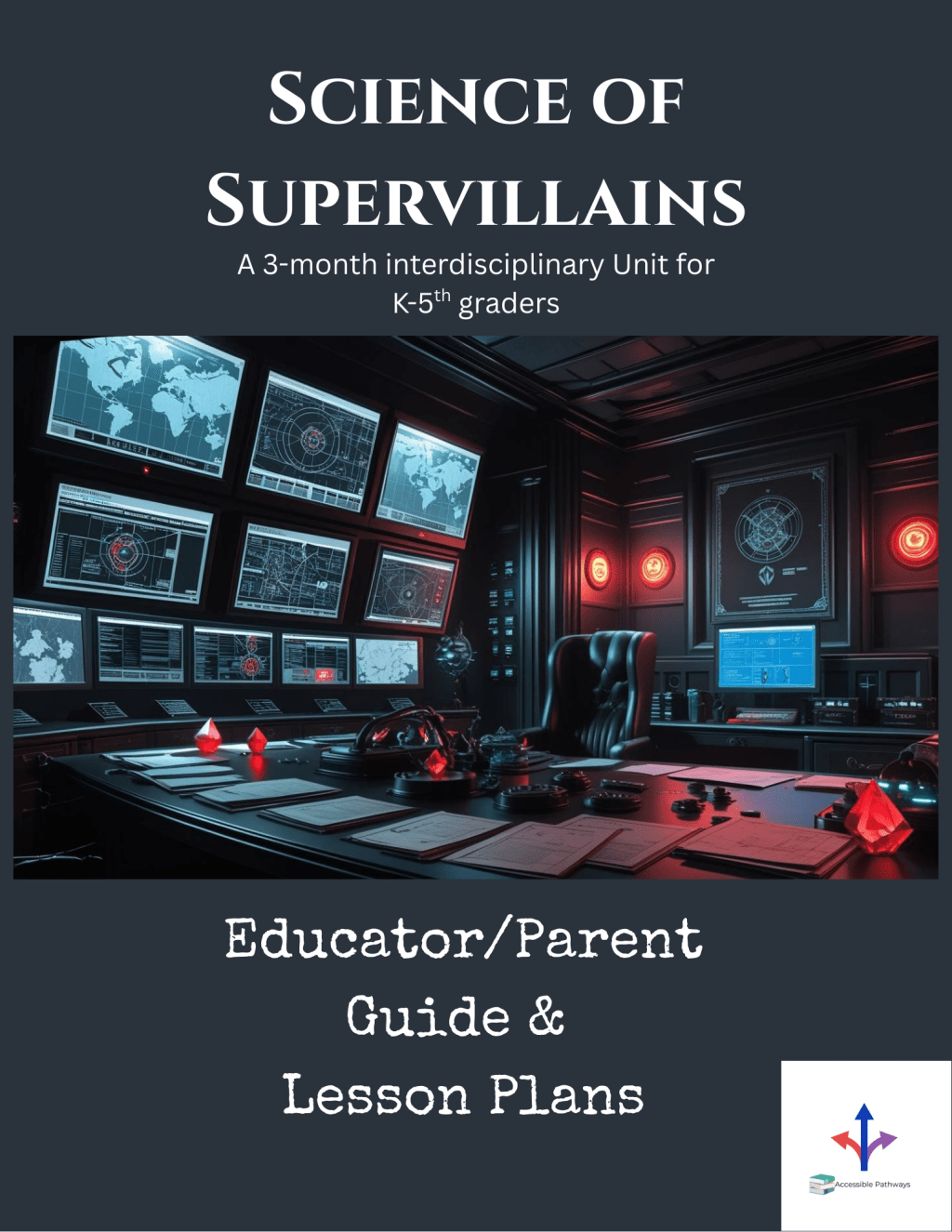
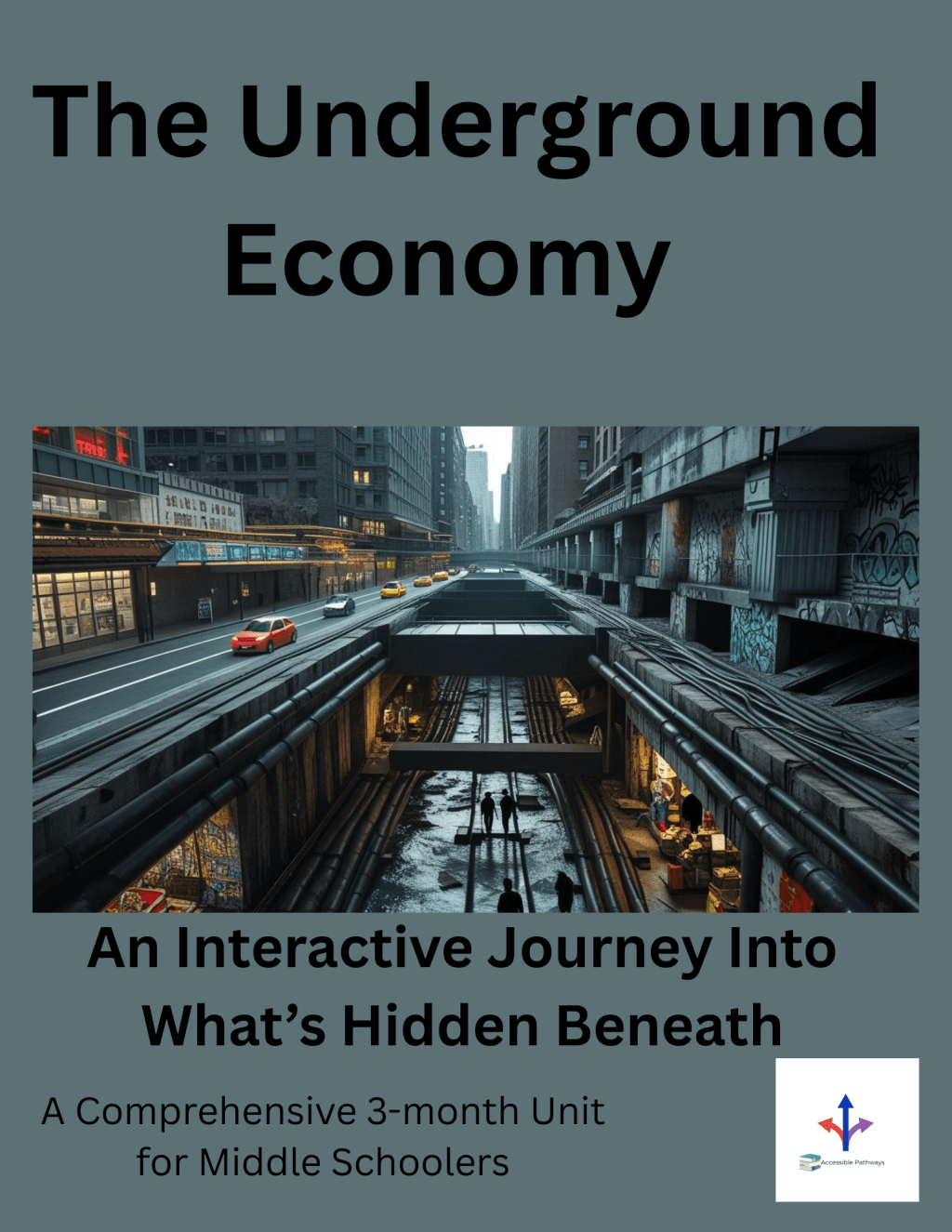
 Accessible Pathways