
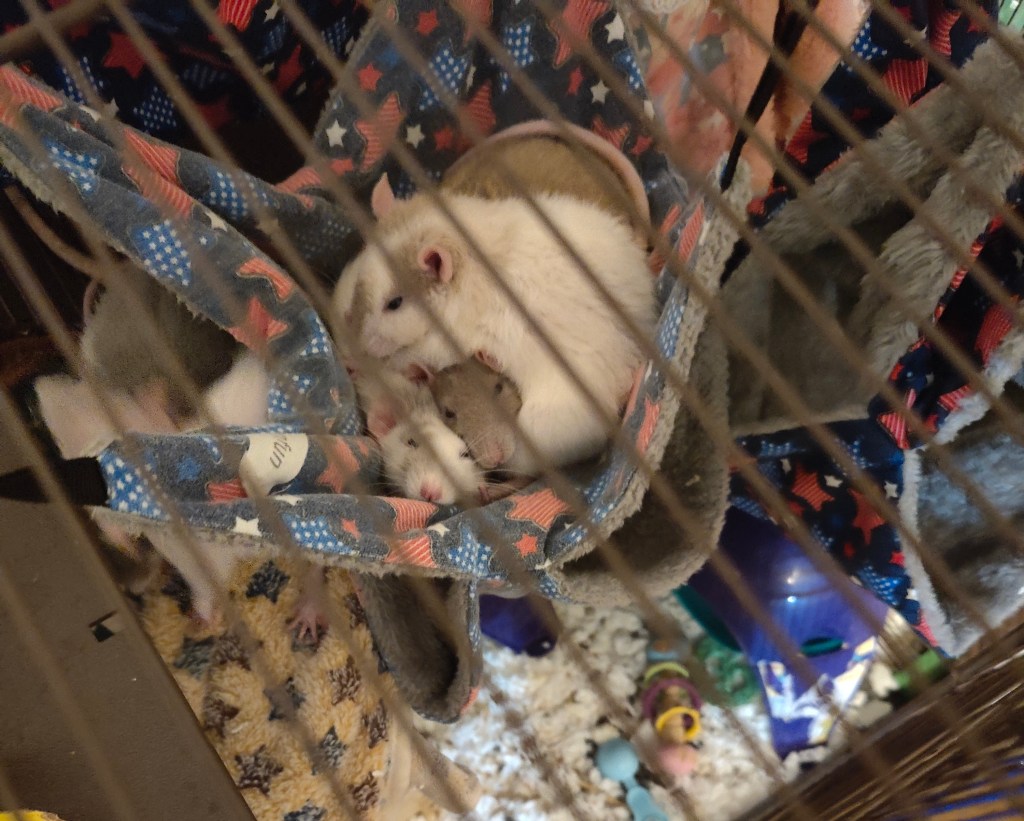
Benefits of pets for neurodiverse children go far beyond companionship—they can also support learning, emotional regulation, and social skills. For many families, integrating a pet into daily life isn’t just about having a furry friend; it’s about creating opportunities for growth, connection, and confidence for children who learn and experience the world differently. Research and anecdotal experiences show that pets can become a bridge between a child’s unique needs and their learning journey, making daily routines more engaging and less stressful.
Benefits of Pets for Neurodiverse Children: Emotional Regulation
Neurodiverse children often face challenges in managing emotions, whether it’s frustration, anxiety, or sensory overload. Pets provide a calming presence that can help children regulate these emotions. For example, stroking a cat or brushing a dog releases oxytocin, a hormone linked to stress reduction and bonding. This soothing effect can help children feel safe and grounded, which creates a mental space more conducive to learning and focus.
For children who struggle with sensory sensitivities, pets offer predictable, nonjudgmental interaction. A gentle touch, rhythmic movement, or simply observing a pet’s behavior can help regulate the nervous system and provide comfort. These small moments of calm can translate into better attention during academic activities, making learning feel more accessible and enjoyable.
Benefits of Pets for Neurodiverse Children: Social Skills
Pets can also serve as social facilitators. Neurodiverse children who may find peer interactions challenging often find it easier to connect through a shared interest in animals. Feeding, walking, or caring for a pet encourages communication, turn-taking, and empathy. These interactions can build confidence in social situations, which can then extend to relationships with classmates, teachers, and family members.
Moreover, pets can help children understand nonverbal cues. Observing a dog’s tail wag, a cat’s purr, or a rabbit’s posture encourages children to interpret body language, which is a critical social skill. This practice can strengthen their ability to read social cues in human interactions, supporting both personal relationships and collaborative learning.
Benefits of Pets for Neurodiverse Children: Academic Support
In addition to emotional and social benefits, pets can positively influence academic skills. Reading to pets, for example, has been shown to increase literacy confidence in children. The absence of judgment or correction allows children to practice reading aloud comfortably, improving fluency, expression, and comprehension. A cat or dog sitting patiently by a child’s side can make a reading session feel less like work and more like companionship-driven practice.
Pets can also encourage responsibility and planning. Feeding schedules, grooming routines, and walking times require children to manage tasks, which strengthens executive function skills like planning, organization, and time management. These are essential abilities that support academic success across subjects, from math and science to writing and project completion.
Benefits of Pets for Neurodiverse Children: Structured Learning Environment
Having a pet in the household can help neurodiverse children establish routines and predictability. Structured care routines translate to better time management and self-discipline in academic and daily life. For example, a child might learn to feed a pet before starting homework, turning the pet’s needs into a natural motivator and anchor point for daily structure. Over time, these routines support independence, responsibility, and confidence—traits that enhance both learning and overall well-being.
Choosing the Right Pet
Not every pet is suitable for every child. It’s important to consider the child’s sensory preferences, energy levels, and temperament. Low-maintenance pets such as fish, guinea pigs, or hamsters can offer soothing observation without overwhelming stimuli, while dogs and cats can provide active interaction and emotional connection. Matching the pet to the child’s sensory profile ensures the interaction is enjoyable and supportive, not stressful.
There are many resources on the internet that can help one choose the kind of animal that is right for them and their family. The following are some helpful sites to check out:
Introducing a pet gradually and including the child in care routines fosters a sense of ownership and connection. By actively participating in the pet’s well-being, children learn responsibility, problem-solving, and empathy in a hands-on, meaningful way.
Long-Term Benefits
The positive effects of pets extend beyond childhood. Children who grow up with supportive animal relationships often demonstrate increased confidence, better stress management, and enhanced social skills later in life. For neurodiverse learners, pets can provide consistent companionship that supports not only immediate academic and social growth but also lifelong skills in emotional regulation, resilience, and empathy.
Conclusion
The benefits of pets for neurodiverse children are multifaceted: they calm, they teach, and they inspire. From supporting emotional regulation and social skills to enhancing academic performance and executive function, pets play a vital role in helping children thrive. For families seeking to create a supportive, engaging environment for neurodiverse learners, integrating a pet may be a powerful and joyful strategy. By choosing the right pet and fostering a nurturing relationship, children gain more than a companion—they gain a learning ally and a trusted friend.
Let us know in the comments if you have pets and neurodiverse children. We would love to know your experiences and if you feel the pets help with any of your child’s struggles. Also, check out our store for curriculum units, books and games that are geared towards neurodiverse children !








 Accessible Pathways