
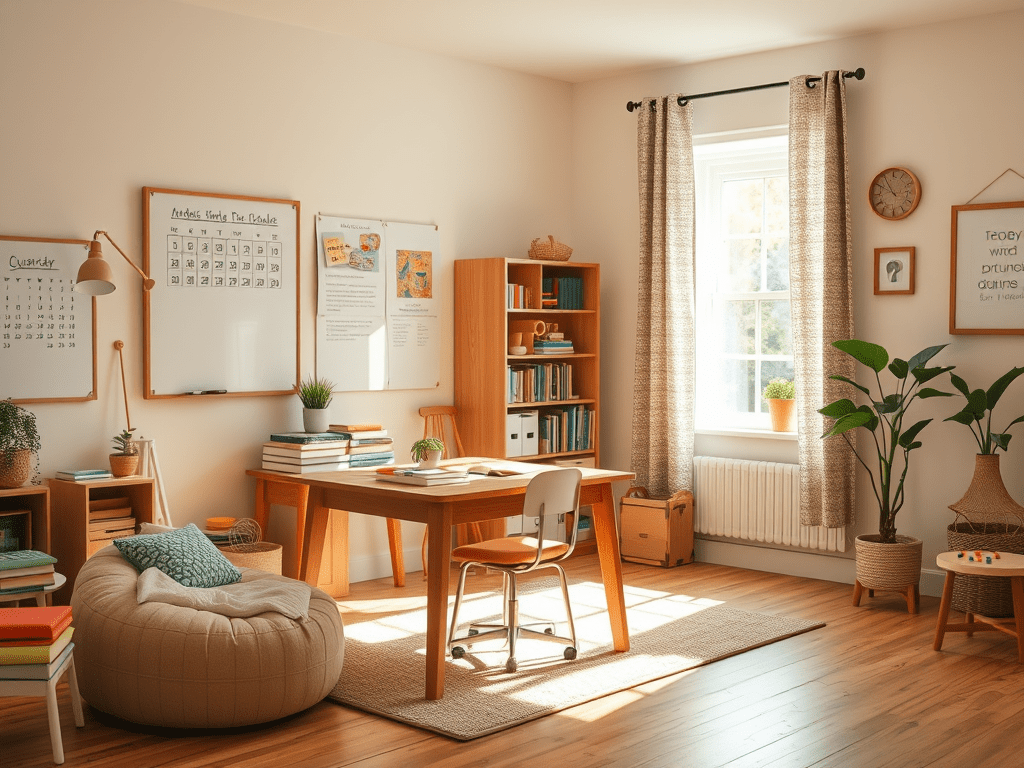
Homeschooling middle schoolers can be tough. Adding on neurodivergent conditions like autism and/or ADHD can make things even more challenging.
Fortunately, there are methods, systems and materials that can be used/done to have each homeschooling session go smoother. So, if you are a parent looking for practical, tested strategies that actually help- read on!
Homeschooling Middle Schoolers who are neurodiverse
Middle school can be a major turning point—especially for neurodivergent learners. With more academic subjects to juggle, growing executive functioning demands, increasing social complexity, and the onset of puberty, it’s no surprise that this stage can feel overwhelming.
For families who are homeschooling middle school autism, challenges often become more pronounced. Children on the autism spectrum may experience heightened sensory sensitivities or difficulty with abstract thinking, while those with ADHD might struggle more with organization, impulse control, and staying focused through longer assignments. The combination of academic rigor and emotional growth during this time means extra support and flexibility are essential.
The Power of Predictable Routines
For many neurodivergent learners, routines aren’t just helpful—they’re essential. Predictable structure can ease anxiety, reduce decision fatigue, and support smoother transitions between tasks. A strong neurodivergent routine acts like a calming anchor, especially during the sometimes chaotic middle school years.
Here’s a sample weekly homeschool rhythm designed with sensory needs and executive functioning challenges in mind:
Sample Weekly Flow
- Monday: Core academics + outdoor movement
- Tuesday: Writing focus + hands-on science
- Wednesday: Light academics + creative project
- Thursday: Review work + nature walk
- Friday: Life skills + social-emotional check-in
And a possible daily schedule for middle schoolers who thrive on consistency but need breathing room:
Sample Daily Routine
- 9:00 AM: Morning check-in (feelings, plans, preview)
- 9:30 AM: Subject 1 (short block, highly structured)
- 10:15 AM: Movement or sensory break
- 10:30 AM: Subject 2 (flexible pacing)
- 11:30 AM: Creative time or choice-based learning
- 12:15 PM: Lunch & downtime
- 1:00 PM: Independent task or project
- 2:00 PM: Debrief or transition to afternoon activities
These rhythms create the structure neurodivergent students need, while allowing for gentle flexibility. For example, if a student is dysregulated in the morning, a block can be shifted or replaced with a calming sensory activity.
The goal isn’t to force rigid scheduling—but to create safe predictability while honoring each learner’s pace. When routines feel supportive (not restrictive), they can significantly improve emotional regulation and reduce resistance.
The Power of Predictable Routines: Higher Support Needs
For middle schoolers with higher support needs, a predictable routine can provide a powerful sense of emotional safety. Whether your child uses AAC, needs significant help with transitions, or experiences sensory overwhelm easily, building a neurodivergent routine tailored to their needs can reduce stress and foster more successful learning.
Why Routines Matter–
Neurodivergent learners often face challenges with:
- Unpredictable transitions
- Shifting attention between tasks
- Regulating emotions and energy
- Understanding what’s expected without repeated prompts
A clearly structured day—with visual cues, consistent timing, and sensory breaks—can lower anxiety and make the learning experience feel manageable, even enjoyable.
Sample Gentle Daily Routine (with Built-In Flexibility)-
9:30 AM – Arrival or Morning Preview
Use a visual schedule, first/then board, or simple checklist. Start with a greeting, preferred activity, or calming sensory input (e.g., swinging, deep pressure, or music).
10:00 AM – Structured Activity
One short academic or functional skill task (with clear start/end). Consider a timer or visual progress chart. Choose materials that align with your child’s communication and processing style.
10:30 AM – Sensory or Movement Break
Use sensory bins, weighted blankets, bouncing, quiet corner time, or outdoors as needed.
11:00 AM – Creative or Interest-Based Activity
Art, building, pretend play, themed story time, cooking, or matching games—based on your learner’s preferences.
12:00 PM – Lunch + Free Time
Allow for self-directed downtime. If your child needs structure, offer visual options (e.g., “Would you like music or puzzles after lunch?”).
1:00 PM – Reconnection + Closing
Brief review of the day (using photos, symbols, or simple reflections). End with a predictable song, hug, or transition phrase to signal closure.
Reducing Friction with Smart adaptations
One of the most effective ways to help your middle schooler thrive is by proactively reducing daily friction. This doesn’t mean lowering expectations—it means removing unnecessary barriers that trigger stress, shutdowns, or overwhelm.
Here are some ADHD homeschool tips and autism-friendly strategies to reduce friction:
- Visual Checklists: Create simple, colorful checklists for routines like getting ready, completing assignments, or transitioning between subjects. Visuals support working memory and reduce the need for repeated verbal reminders while homeschooling middle schoolers.
- Timers & Transitions: Use visual timers or sand timers to give your child a sense of time during tasks. Countdowns can help ease transitions between activities, especially when hyperfocus or avoidance is involved.
- Body-Doubling: Sit nearby or co-work during challenging tasks. Your calm presence—even while working on something else—can help anchor your child’s attention and reduce avoidance.
- Quiet Zones & Reset Spaces: Create a calm, sensory-friendly nook where your child can decompress without punishment or shame. Soft lighting, headphones, or fidget tools can help.
- Flexible Pacing: Some days your learner may move quickly; other days may be slower. Allow for pacing adjustments without guilt. Chunk lessons into shorter bursts, with breaks in between.
- Adapted Lesson Formats: Consider alternative ways to present or complete assignments—video responses, audio recordings, or hands-on projects all count! Meeting your learner where they are helps maintain engagement and builds confidence.
These not only reduce meltdowns and shutdowns but also create an environment where your middle schooler can develop emotional regulation, resilience, and independence.
For more strategies to reduce friction, click here.
Keeping Engagement High (Even When Attention Is Low)
One of the biggest challenges in homeschooling ADHD learners is keeping momentum going—especially on days when attention is fleeting. Here are some practical ADHD homeschool tips to help keep your learner engaged without constant struggle or burnout:
- Follow Their Interests (Without Losing Sight of Core Subjects): You don’t have to choose between following a child’s passions and meeting academic goals. If your learner is obsessed with space, bugs, or Minecraft—lean in! Use those interests as a gateway to explore reading, math, science, and writing. A lesson about fractions can involve baking, a science unit can revolve around black holes, and writing practice can happen through letters to a game character. When the content is meaningful, the attention naturally follows.
- Use Short Bursts, Brain Breaks, and Movement: Many ADHD learners thrive with short, focused learning sessions (10–20 minutes max), followed by brain breaks. That might be a walk around the house, five minutes on a trampoline, or some silly dance moves. Movement isn’t a distraction—it’s a strategy! Switching things up and keeping the brain alert through novelty can make a huge difference.
- Let the Learner Lead (Especially in Middle School): In middle school, autonomy becomes even more important. ADHD learners may push back on rigid structure, but giving them options (“Do you want to do spelling or math first?”) can restore a sense of control and reduce resistance. Letting them co-create part of the schedule or choose the format of a project (drawing vs. writing, building vs. explaining) invites ownership—and better attention.
- Rotate the Tools, Not Just the Topics: Novelty doesn’t always mean changing what you’re learning; sometimes it’s about how. Use whiteboards one day, magnetic letters the next, and sidewalk chalk another. Change up the materials to keep the brain curious and engaged.
Conclusion: Reassurance & Encouragement
It’s not about doing thing perfectly- it’s about finding out what works for your child. You are not alone when it comes to finding it difficult to homeschool middle schoolers with autism or ADHD. Remember that any progress is still progress no matter how slow.
Let us know in the comments if you are currently or have homeschooled a middle schooler who has autism and/or ADHD! Also, check out our website store and our Etsy store to see what we offer.








 Accessible Pathways