

A calming corner is a powerful solution if your child sometimes feels overwhelmed, overstimulated or just needs a “moment.”
These small, sensory-friendly spaces are more than just cute corners — they’re intentional tools that help children reset and regulate, especially in homeschool or neurodiverse learning environments. And the best part? You don’t need expensive equipment or a giant playroom to make one work.
Let’s break down exactly what a Calming Corner is, why it helps, and how to create one that fits your home — and your learner.
What is a Calming Corner?
A calming corner (also called a calm-down space or sensory regulation zone) is a dedicated area where children can go when they feel overwhelmed, frustrated, anxious, or dysregulated. It’s not a time-out spot — it’s a safe and supportive space.
These spaces are often tucked in quiet corners with cozy seating, soft lighting and a variety of sensory tools such as fidget toys, sensory bottles, breathing prompts and more. The following are settings where calming corners can be found:
- Homeschools
- Living rooms
- Play rooms
- Therapy clinics
- Traditional classrooms
- Public places (i.e. children’s museums)
- Microschools
- Daycares
- Libraries
Why Calming Corners Work
For neurodivergent children (including those with ADHD, autism, SPD, or anxiety), the world can sometimes feel too much. A calming space helps in three key ways:
- Sensory Regulation: Tools like fidgets, noise-reducing headphones, or weighted items help manage sensory input.
- Emotional Safety: Having a consistent “go-to” spot reinforces predictability and security.
- Independence: Kids learn to recognize their needs and self-advocate: “I need a break.”
Here are ways calming corners work in the specific settings cited in this post:
- Homeschools: A calming corner available for homeschooling allows for the calm that might be needed for completion of the learning sessions. It is also great for parents as homeschooling itself can be tough enough so reducing meltdowns is important to the longevity of homeschooling.
- Living Rooms: Having a calming corner set up in a living room is great even if you are not homeschooling! It can provide a safe space for someone to go to any time of the day, allowing them to unwind, recharge, and find solace amidst the daily hustle and bustle.
- Play Rooms: If you have a room in your house dedicated for playing, having a calming corner in it is very beneficial. This is because playing can get overwhelming for some children- especially there are multiple making a lot of noise. A cozy spot is a perfect area to go to rest and recharge emotional and physical batteries.
- Therapy Clinics: Having a calming space for kids is seen a lot in therapy clinics as it is typically part of the therapy sessions. This is due to the fact that the procedures and tasks involved in various types of child therapy can get overwhelming to children. The calming corners provide a break during the sessions which is beneficial for both the children and therapists.
- Traditional Classrooms: Even neurotypical children in regular classrooms in schools benefit from a calming corner. This is because everyone needs tools to manage emotions and take a break from chaos (big or small!)
- Public Places: Public places such as stores and museums can be really overwhelming to anyone. If you are neurodiverse-it can be even worse. Calming corners set up in areas where there is less traffic can help people regulate themselves so they can resume patronizing the public space.
- Microschools: These modernized, one-room schools are a great place for learners who are neurodiverse as there are less kids and more opportunities for individualized instruction and personalized learning experiences. A calming corner can help with self-regulation and it can be used several times due to the flexibility that microschools have over public schools.
- Daycares: A calming corner is great in daycares because young children are just learning about managing their emotions and it is another tool to help them with it. Having one set up is also great for neurodiverse children that attend the daycare.
- Libraries: These are typically quiet places however looking through the large number of books to find the one a person wants can get overwhelming to some. Not to mention, it can still get chaotic in the children’s section. A sensory space is very beneficial for anyone that could use some quiet time to themselves on a day at the library. They can even read a book they picked out there!
How to Set One Up (Without Costing a Fortune)
Start small. You don’t need a Pinterest-worthy corner to see results. Here’s a checklist of things you can include:
Basic Setup:
- A cozy seat (pillow, beanbag, blanket nest) or multiple
- Visuals: “I Need a Break” card, calm-down choice chart
- Sensory tools: fidget toys, stress balls, textured items
- A container or basket for calming items
- Optional: mirror, timer, headphones, weighted lap pad
Location tips:
- Choose a corner or nook that’s not too busy
- Keep it consistent (same spot every time)
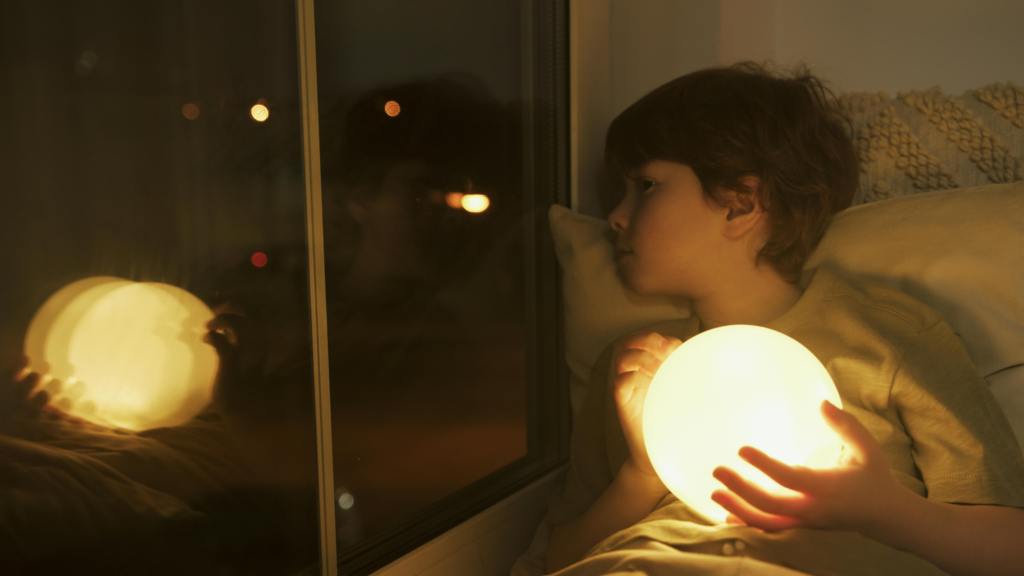
- Add soft lighting if possible
Here are some other examples of things you can put in the space:
- Pop-it, stress ball, squishies
- Calming glitter jar
- Playdough or kinetic sand
- Sensory bins
- Bubble wrap
It is best to only have a few items in a calming corner so as not to overwhelm (which defeats the purpose!). The items should also be changed out once in a while based on age, interest and just to have more variety.
How to Introduce It to a Child
If you create a calming corner for your home or classroom, one good way to introduce it to them is to make it part of the everyday routine. Treat it as not just a “when something goes wrong” space.
The first time you show them the corner, try this language:
“This is your calming corner. You can use it when you feel overwhelmed, mad, or just need a break. You’re not in trouble. It’s your space to feel better.”
Let them explore it during neutral moments so it becomes familiar. Also, try it out yourself once in a while to model that every one needs some calming time every no and again.
In Conclusion
As you can see, you don’t have to be a therapist or special education expert to build a calming space that works. You just need intention, a little guidance, and the willingness to meet your child where they are.
We hope that this post was helpful and informative. Let us know in the comments if you have a calming corner in your home or classroom or are interested in creating one. If do have one set up, show us a picture! We would love to see your sensory space.
Make sure to check out our store for all of the curriculum units we offer for children in grades K-8th.





 Accessible Pathways