
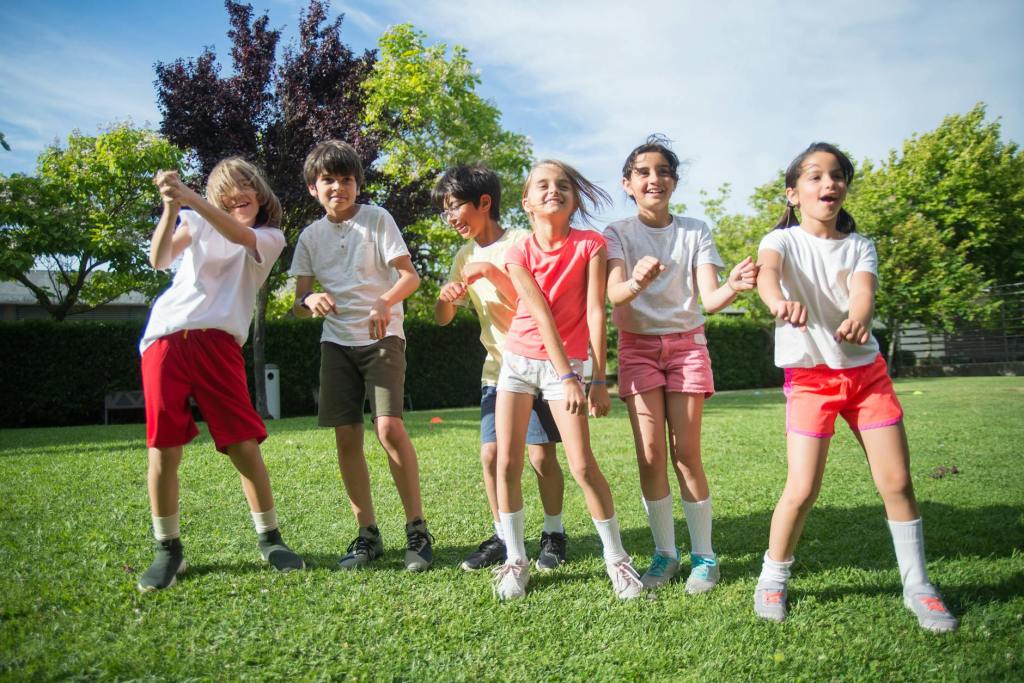
Homeschooling always seems to bring about that one question- “What about socialization?” The conversation around the question tends to get pretty darn heated!
The fact of the matter is that homeschooled children can have wonderful social experiences, often engaging in diverse activities that allow them to interact with peers outside of a traditional classroom setting. Because of this, homeschooled children can develop strong friendships and social skills that enhance their overall development and quality of life.
In this post, we will go over practical strategies that ensures a homeschooled child has an enriching homeschool life.
What Socialization Really Means
When we talk about socialization, we often think of making friends, participating in group activities, and learning to navigate social interactions. But true socialization goes beyond just being in the presence of peers. It’s about developing the skills and understanding necessary to communicate effectively, empathize with others, and build lasting relationships. True socialization involves learning to engage with a diverse range of people, resolving conflicts, and collaborating towards common goals.
Socialization in Traditional Schools-
In traditional school settings, socialization is often perceived as an automatic byproduct of attending classes with a large group of peers. Students are exposed to a variety of social situations during their daily interactions in classrooms, hallways, and extracurricular activities. They learn to work in teams, follow social norms, and develop friendships within a structured environment. However, this environment also comes with its own set of challenges, such as peer pressure, social hierarchies, and sometimes even bullying, which can impact the quality of social interactions.
Socialization in Homeschooling-
Homeschooling, on the other hand, offers a different approach to socialization. Homeschoolers may not have the same daily exposure to large groups of peers, but they often engage in more intentional and varied social interactions. Homeschooling families typically participate in co-ops, sports teams, community service, and other group activities that foster social skills. These settings allow homeschooled children to interact with individuals of different ages and backgrounds, enhancing their ability to communicate and collaborate effectively.
While traditional school provides a more consistent and structured environment for socialization, homeschooling allows for more tailored and diverse social experiences. Both methods have their strengths and can contribute to the development of well-rounded individuals who are capable of meaningful social interactions.
Homeschooling & Socialization: Multiple Opportunities
There are several ways that homeschoolers can get in some wonderful socialization. Not only will they help children develop social skills but they also allow them to build lasting relationships with others who share their interests. The following are options homeschoolers have for socialization:
- Co-ops & Homeschool Groups – These are for homeschoolers to meet up and spend time together. There can be regular get-togethers, group classes and collaborative learning.
- Extracurricular Activities – Just like children in public and private school, homeschoolers can enroll in activities of interest such as sports, theater, dance, coding clubs, art classes and more. These activities can provide really good social opportunities.
- Community Involvement – Getting out in the community to give back and/or participate in events is great for homeschoolers because they can be around others that are doing the same. This can include volunteering, church groups, library programs and more. These opportunities are also great as part of homeschooling programs!
- Friend Playdates & Social Meetups – Intentional friend-making through local networks can be set up. These are found on Facebook in specific groups.
- Everyday Social Interactions – Engaging with neighbors, store clerks, family, and community members in daily life can lead to the development of social skills.
As you can see, there are quite a few ways that a homeschooled child can get socialization and not miss out on what public/private schooled children get.
How to Help Your Homeschooled Child Build Friendships
When homeschooling your child, helping them to build long-lasting friendships is important as they will not have the same opportunity as children in public and private schools do. Here are ways to do so:
- Teach Social Skills – Encourage conversation starters, empathy, conflict resolution.
- Be Intentional About Scheduling Social Time – Plan weekly playdates, co-op days, or activities.
- Leverage Technology (With Balance) – Online classes, safe messaging apps, pen pals.
- Encourage Hobbies & Interests – Help kids connect with others through shared passions.
Addressing the Common Concerns
- “But they won’t experience the real world!” Many homeschooled children engage in diverse activities outside of their home environments, such as joining community sports teams, participating in local clubs or art classes, attending educational field trips, and volunteering. These opportunities allow them to connect with peers of various ages and backgrounds, fostering social skills and friendships. Moreover, homeschooling often encourages families to travel, allowing children to meet new people across different cultures and regions, further enriching their social experiences and perspectives on the world around them.
- “They won’t learn teamwork or leadership!” There are options for gaining these two important skills. These include homeschool group projects, theater, sports, and clubs. All of them can foster collaboration, enhance communication skills, and build a sense of community among participants. These are essential attributes for effective teamwork and leadership development in real-life scenarios.
- “What about prom and school dances?” There are many homeschool groups that organize their own dances, proms, and various events throughout the year. These allow homeschooled students to participate in these social gatherings just like their traditionally schooled peers, creating memorable experiences and fostering friendships.
In Conclusion
Homeschooling does not and should not equal a lack of socialization. It is important to be as proactive as possible when it comes to creating these social opportunities so that children are well-rounded.
If you homeschool, share in the comments how you go about the socialization piece of raising your child. Also, check out all we have to offer right now in our store and on our Etsy shop!



 Accessible Pathways