
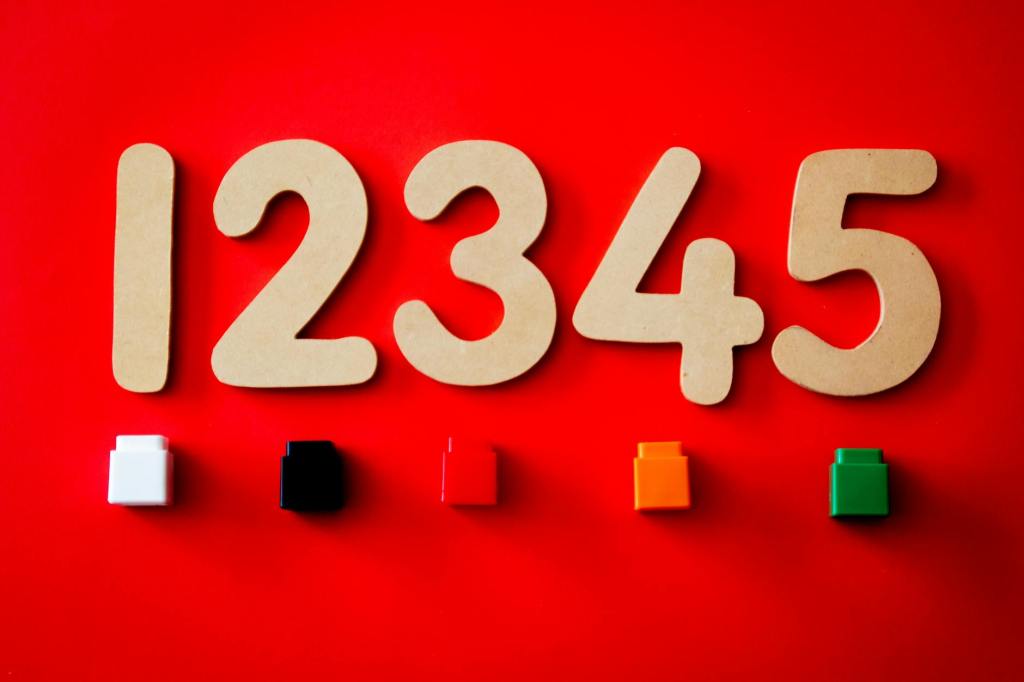
Inclusive education is extremely important, but unfortunately, many educational systems still struggle to effectively implement inclusive practices that cater to the diverse needs of children with neurodiverse conditions.. As such, it is vital for educators, administrators, and policymakers to work collaboratively in creating an environment that values neurodiversity and actively promotes equal learning opportunities for every child.
Dyscalculia is one of the neurodiverse conditions for which inclusive education is crucial. This specific learning difficulty affects a person’s ability to understand and perform mathematical tasks and may manifest in various ways. As with other learning differences, it can make everyday activities, particularly challenging for individuals affected by it. Implementing supportive and tailored dyscalculia learning strategies- is imperative.
This is the second blog in the neurodiverse blog series. This one will go over information on dyscalculia and how our curriculum is inclusive of children who have the condition.
What is Dyscalculia?
General math difficulties in children are very common. Dyscalculia, on the other hand, is not as common (affects around 3-7% of the population) but can significantly impact a child’s academic performance and self-esteem. This learning disability specifically affects an individual’s ability to understand numbers and learn math facts, which can create a considerable hurdle in their education.
Many children with dyscalculia may struggle with basic arithmetic, number sense, and even grasping concepts like time and measurement. They might feel overwhelmed when being taught about the different parts of math and when presented with a set of problems to do. This can cause self-confidence issues and anxiety.
Early identification and tailored interventions are crucial in helping these children navigate their challenges and build confidence in their mathematical abilities. An inclusive education helps to ensure they do not fall behind their peers .Unfortunately, traditional math instruction doesn’t often accommodate children with this condition.
A lot of times, children with dyscalculia are dismissed as not working hard enough or just needing more practice. This isn’t true, as this condition is much more complex than simple laziness or lack of effort. Dyscalculia can significantly hinder a child’s ability to understand and manipulate numbers, making it difficult for them to grasp fundamental concepts such as addition, subtraction, and even time management.
Signs Your child May Have Dyscalculia
There are some ways in how to identify dyscalculia. It is important for parents, caregivers and teachers to be aware of them when they see math struggles in kids. Here are some tell-tale signs of this condition:
- Difficulty recognizing numbers
- Difficulty counting
- Math anxiety
- Difficulty with estimation
- Difficulty with sequencing
- Difficulty telling time
- Difficulty money math
- Difficulty writing numbers
- Difficulty understanding and remembering mathematical concepts
- Difficult time with math phrases (i.e. “equal to”)
- Difficulty with place value
- Difficulty keeping scores
- Trouble reading charts and graphs
- Difficulty with measuring things
The signs can be seen starting in the preschool years and it is crucial to catch the condition early so that help can be given. This will help make sure that the child can be as successful as possible as they go through school.
Inclusive Education: Our Curriculum
At Accessible Pathways, we are aware of how difficult this condition can be due to personal and professional experiences. Because of this, we have created an inclusive math curriculum for each of our units. Here is what makes it dyscalculia-friendly:
- Multi-Sensory– Our curriculum has some hands-on activities that help to build math skills. We also suggest visual aids and specific manipulatives.
- Step-by- Step – We suggest ways to break the problems down into steps to reduce math anxiety.
- Alternative Assessments- We suggest different ways for the children to show their understanding. This includes verbally walking through a problem and doing real-world projects that include the math.
- Different Levels of Practice- Since our curriculum units involve different grade levels grouped together-there are different levels of math included in the lesson books. This means that a child is able to choose the math problems that are at a level they feel comfortable with.
Effective Math Strategies
There are various ways in how to teach math to struggling learners with dyscalculia. As stated a few times in this post, it is important that an inclusive education is provided if possible. Here are some effective strategies that teachers, parents, caregivers and tutors should know about:
- Manipulatives- The visuals and sometimes tactile experience aids in the support of understanding number/math concepts. Examples of these include counters, base-ten blocks, dry-erase number lines and an abacus. Hands-on math activities for dyscalculia in general can be beneficial.
- Real World Math- Math is everywhere and sometimes we don’t even know we are doing it! Having them do common, real life things that involve math concepts can really help them learn and feel more comfortable doing it. This can include grocery shopping, cooking and measuring things around the house.
- Review and Repetition- It is important to go over the concepts with a learner multiple times and then go back and review them after moving on to another concept.
- Step-by-Step Instructions and Visuals- Breaking the math problems down into several small tasks with visuals showing them is really helpful.
- Adaptive Math Worksheets- Children with dyscalculia do best when their worksheets are not visually complex and/or have cramped spacing. Having larger fonts and spaced apart problems (not too many of them), reduces the amount of overwhelm they may feel and visual confusion. It can also be helpful to have color-coding for different steps and operations as it might make things easier to recall.
- Websites and Programs- There are some sites and programs that help children with dyscalculia. These include Modmath, and TouchMath.
- Patience- Since learning math can go slow for children with dyscalculia, it is best to have patience with them so that you don’t add to the math anxiety that they may already have.
- Encouragement and Rewards- Making children with dyscalculia feel good about how hard they work and the progress they make- can increase their self-confidence. When they feel good about themselves, it can help them be more successful and not let their struggles bring them down.
In Conclusion
It is essential for educators and parents to recognize that children with dyscalculia require specialized support and tailored teaching methods that address their unique learning needs. The assumption that they just need to work harder needs to be thrown out the window as it is not the case.
By fostering a supportive environment that emphasizes understanding and patience, we can help these children build confidence and develop their numerical skills in a manner that aligns with their abilities.
Let me know in the comments if any of you have a child with dyscalculia, know a child with or have it yourself.
#mathcurriculum #mathmammoth #homeschoolmath #dyscalculia #learningdisability #homeschooling #alternativeeducation #inclusiveeducation #neurodiverseeducation #neurodiversity






 Accessible Pathways