
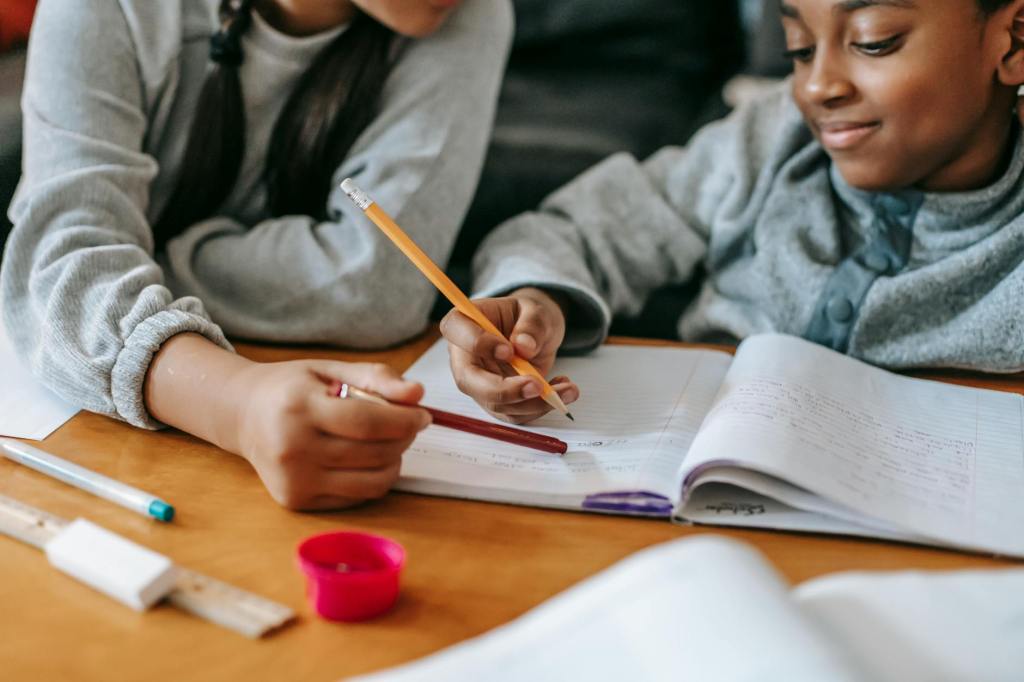
Supporting neurodiverse learners is very important. Even though every child is different, for neurodiverse learners, traditional approaches can often feel frustrating, overwhelming, or even impossible. Whether a child has ADHD, autism, dyslexia, or sensory processing challenges, they deserve an education that meets them where they are—without sacrificing engagement, depth, or creativity.
That’s exactly why the Accessible Pathways curriculum was created with built-in neurodiverse adaptations. Over the next few blog posts, I’ll be diving into specific learning differences and showing how my curriculum helps kids succeed with the right supports. But first, let’s talk about why adaptive learning matters.
Helping Neurodiverse Children Thrive
Neurodiverse children often have strengths that go unnoticed in traditional settings. They may think outside the box, hyperfocus on topics they love, or have an incredible memory for details. But they can also struggle with rigid learning methods, sensory overload, or frustration when tasks aren’t adapted to their needs.
By adjusting the approach—not the expectations, we help neurodiverse kids thrive while still challenging them appropriately.
The Importance of Adaptations in Education
Adaptations are not about making learning “easier”—they are about making learning accessible. Many neurodiverse students struggle in traditional learning environments because those spaces are designed with a one-size-fits-all approach. When a child is struggling, it’s not because they aren’t capable—it’s because the method of teaching doesn’t align with their learning needs.
Simple adaptations, such as breaking instructions into smaller steps, using visual schedules, or incorporating hands-on learning, can make a huge difference. They help remove barriers to learning, allowing children to demonstrate their full potential rather than being held back by sensory overload, executive functioning difficulties, or processing speed.
Additionally, adaptations build confidence. When children are provided with tools that help them access the material in a way that works for them, they develop a more positive attitude toward learning. Instead of feeling constantly frustrated, they feel capable and empowered. This not only improves academic success but also enhances their self-esteem and willingness to take on challenges.
Will Adaptations Make My Child Too Dependent?
One common concern among parents is whether using adaptations will make their child overly reliant on them. The short answer? No—when done correctly, adaptations actually foster independence.
Think of adaptations as scaffolding in construction. You use support structures while building, but once the structure is strong enough, the scaffolding is gradually removed. Similarly, educational adaptations are designed to support children while they develop the skills they need to work more independently.
For example, a child with dyslexia might start with audiobooks as a reading accommodation. Over time, as their reading skills improve with specialized instruction, they may rely on audiobooks less frequently. Similarly, a child with sensory processing challenges might initially need noise-canceling headphones in a noisy environment, but as they develop coping skills, they may find they don’t need them as often.
The goal of adaptations is not to create dependency—it’s to provide the tools needed to succeed now while fostering skills for long-term growth.
Can Neurotypical Kids Also Benefit from These Strategies?
Absolutely! Many adaptations designed for neurodiverse learners are actually just good teaching practices that can benefit all children.
For example:
- Visual schedules help neurodiverse kids with executive functioning challenges, but they also help any child stay on track with their tasks.
- Flexible seating allows kids with sensory needs to regulate their bodies, but it can also help any child focus better.
- Multisensory learning (such as using movement, music, or hands-on activities) helps children with learning disabilities, but it also improves retention for all students.
Many children, whether neurodiverse or neurotypical, experience moments of struggle in their education. Providing adaptable strategies ensures that every child has a way to engage with learning in a way that works for them. Inclusivity in education benefits everyone—not just those with formal diagnoses.
Supporting Neurodiverse Learners With Our Curriculum
Each unit is designed with built-in flexibility so children can learn in the way that works best for them. Some of the key supports include:
*Multisensory Learning – Activities that include movement, hands-on tasks, and visuals to support different learning styles.
* Flexible Workload Options – Some kids work best with shorter tasks and frequent breaks, while others enjoy deep dives into a subject. My curriculum allows for both.
* Predictable Routines – Lesson structures that provide consistency to help reduce anxiety and improve focus.
*Sensory-Friendly Adjustments – Suggestions for reducing distractions, using sensory tools, and modifying activities for kids who need more or less stimulation.
* Strength-Based Learning – Encouraging kids to use their natural strengths (like artistic ability, strong memory, or problem-solving skills) to engage with material in a way that builds confidence.
What’s Coming in This Series?
In the coming weeks, I’ll be sharing:
* How Accessible Pathways curriculum units adapt to ADHD, autism, dyslexia, sensory processing needs and more.
* The tools and strategies included to help kids stay engaged.
* A look inside the sensory/neurodiverse toolkits and how they help with focus, regulation, and confidence.
In Conclusion:
Creating an inclusive learning environment isn’t just about helping neurodiverse children—it’s about embracing the fact that these childre think differently. Adaptations are not shortcuts or crutches; they are tools that empower children to engage with learning in ways that suit their individual needs. When we provide the right support, we’re not just making education more accessible—we’re fostering confidence, independence, and a love for learning. These strategies don’t just benefit neurodiverse learners as they also create a richer, more effective learning experience for all children. By embracing adaptability in education, we open the door for every child to succeed on their own terms.
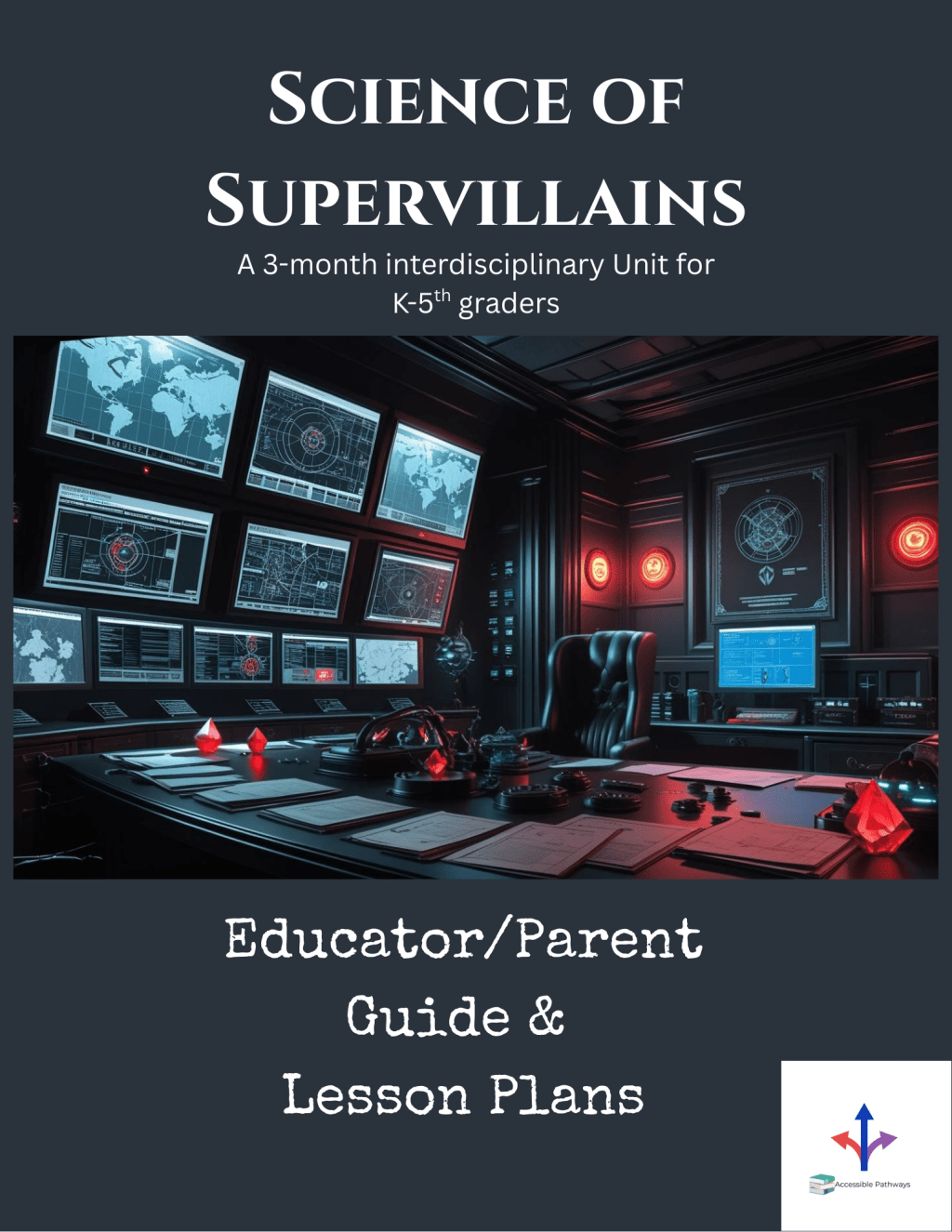
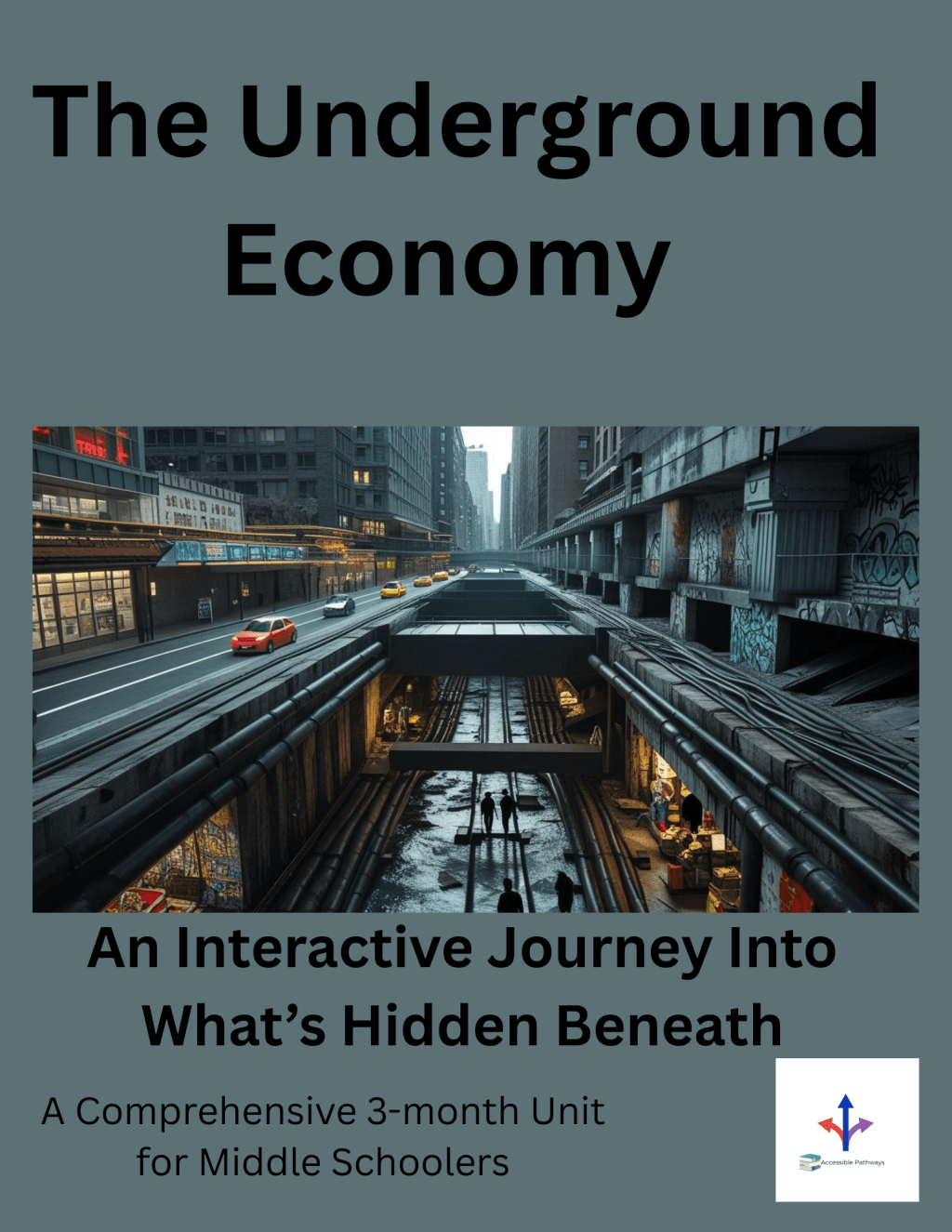
Are you looking for a curriculum that actually works for neurodiverse learners? Stay tuned for a bunch of our units with interesting themes. In the meantime, check out the store to see all that we offer right now!
#neurodiverselearning #neurodiverseeducation #homeschooling #homeschoollife #alternativeeducation #specialeducation #homeschoolsupport



 Accessible Pathways