

Year-round learning is extremely beneficial and is something that parents should consider more seriously. This is because it provides children with a continuous educational experience that reinforces their knowledge and skills throughout the year. This approach allows students to maintain their learning momentum. Furthermore, year-round learning fosters a deeper understanding of subjects by allowing time for exploration and enrichment activities that are often missed during traditional school schedules.
Getting a homeschool curriculum is a great choice for use throughout the year- even if a child is enrolled in public or private school. In this post we will discuss how and when it can be used during the school year as well as what curriculum options to choose from.
Why Use Homeschool Curriculum for Year-Round Learning?
For many families, school breaks are a time to relax and recharge. But they can also be a great opportunity to reinforce learning, explore new subjects, and prevent the dreaded “learning loss” that can happen when children go weeks or months without academic engagement. Incorporating homeschool curriculum into school breaks doesn’t mean turning vacation into full-time school—it’s about using fun, flexible, and engaging learning opportunities to keep kids curious and sharp.
The following are some reasons why using homeschool curriculum year-round has its benefits:
1. Prevents Learning Loss–
Extended breaks from structured learning can lead to academic regression, especially in subjects like math and reading. A homeschool curriculum allows parents to integrate short, engaging lessons that keep children practicing key skills without overwhelming them.
2. Exploring Interests Beyond Standard School Curriculum–
Public school curriculums are structured around state standards, but children often have interests that go beyond what is taught in the classroom. School breaks are a great time to introduce topics like astronomy, creative writing, coding, world cultures, or hands-on science experiments—subjects that may not get much attention in their regular classes.
3. Keeps Routines Intact–
Children thrive on routine, and long breaks without structured activities can sometimes lead to boredom or a struggle to transition back to school. Incorporating a light homeschool curriculum for even an hour or two a day can help maintain a sense of structure while still allowing for plenty of free time and relaxation.
4. Reinforces Difficult Concepts–
If a child struggled with certain topics during the school year, breaks offer a low-pressure time to revisit those areas at their own pace. Homeschool materials often provide a more flexible and individualized approach to learning, making it easier for kids to grasp challenging concepts without the stress of grades or tests.
5. Encourages Family Bonding Through Learning–
Homeschool-style learning isn’t just about worksheets—it can be hands-on, interactive, and even adventure-based! Whether it’s a nature walk with a science journal, a DIY history project, or a math-based cooking activity, these experiences create meaningful family bonding moments while reinforcing learning in a natural way.
6. Makes Transitions Back to School, Easier–
When kids keep their minds active during breaks, the transition back to school is often smoother. They retain more of what they learned in the previous term and feel more confident heading into the next grade level.
Using Our Curriculum for Year-Round Learning
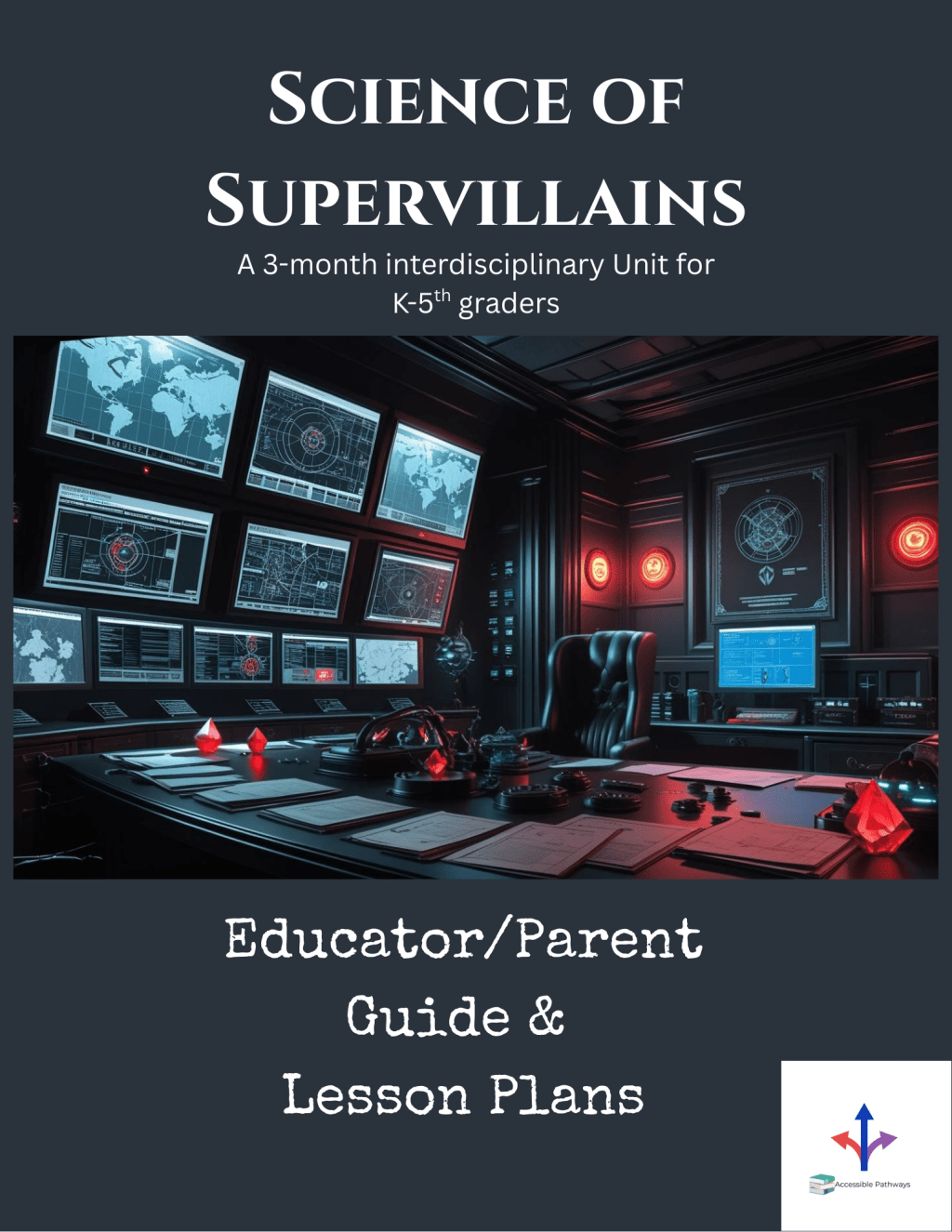
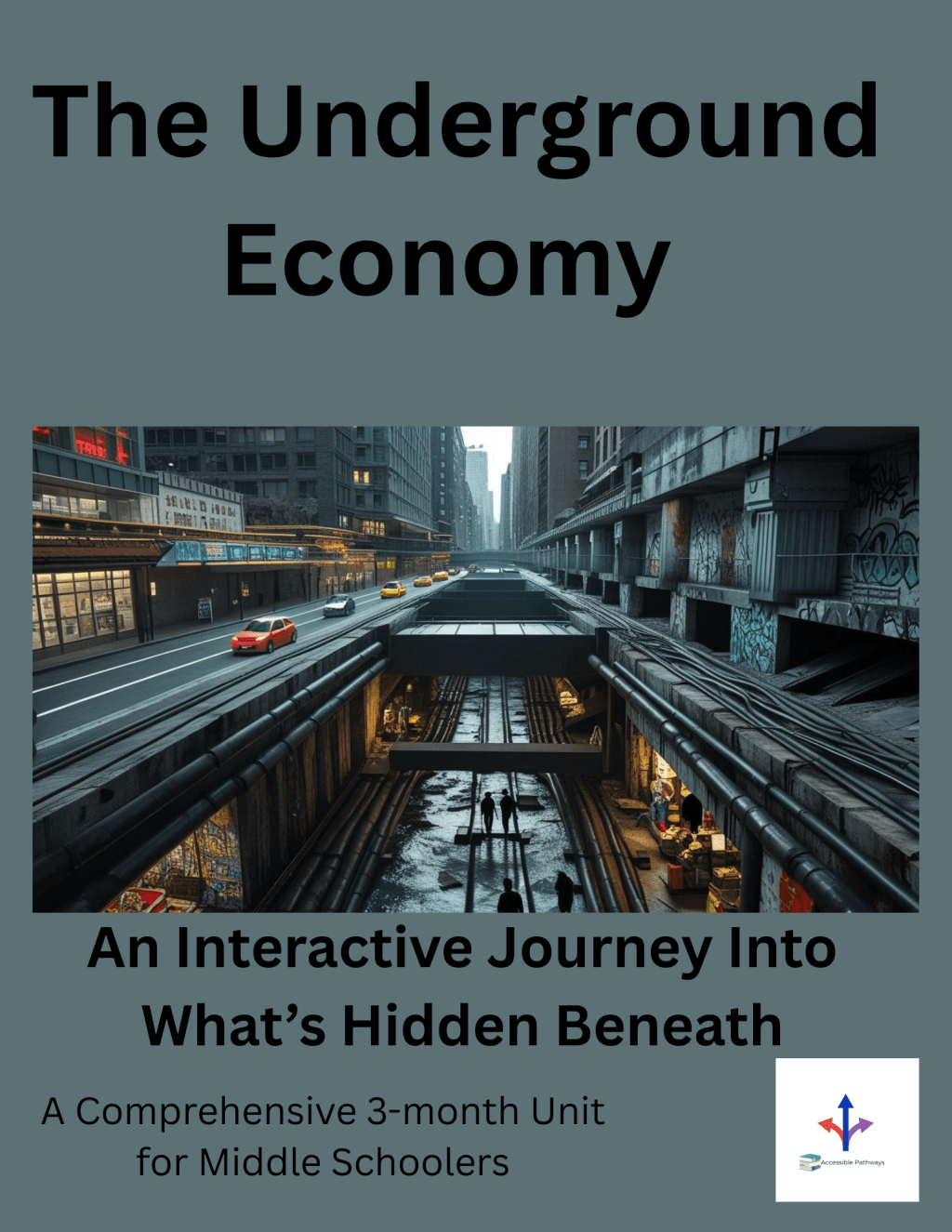
Our curriculum units are designed to fit perfectly into school breaks, offering structured yet flexible learning opportunities that keep children engaged without overwhelming them. The following are more specific ways as to what makes our curriculum a great choice for use year-round non-homeschooled children:
Flexible and Adaptable for Any Environment–
Whether your child is at home, traveling, or attending a holiday program, our curriculum adapts to different settings. Activities can be completed at a pace that suits your child’s needs, allowing for a relaxed yet enriching learning experience.
A Structured Approach Without Rigidity–
While our units provide clear lesson plans and engaging activities, they are not rigid. You can choose to complete a full unit or pick and choose activities that align with your child’s interests and schedule. This approach ensures learning remains enjoyable rather than feeling like extra schoolwork.
Keeps Skills Sharp and Prevents Learning Loss–
Many children experience a loss of academic skills during extended school breaks. Our curriculum helps maintain and strengthen essential skills in a fun and interactive way, ensuring they return to school feeling confident and prepared.
With our units, school breaks become a time for discovery, creativity, and stress-free learning. Whether used as a mini homeschool session or a supplement to traditional education, they provide an easy way to keep young minds engaged!
How to Use Homeschool Curriculum During Breaks
Using homeschool curriculum during breaks might seem like a challenging thing to start doing but it really isn’t! Here are some tips to be successful :
- Keep it Light: Just an hour or two a day can be enough to keep learning fresh without making the break feel like extra school.
- Make it Hands-On: Science kits, art projects, and real-world learning activities make the experience fun and engaging.
- Let Kids Have a Say: Allow children to choose topics that interest them to encourage excitement about learning.
- Use Themed Units: Focus on a theme, like space exploration or world geography, to make learning feel like an adventure.
- Use It for Family Fun: You can turn activities into family projects- combining learning and creative play.
- Review and Reinforce: Use the homeschool curriculum to review key concepts from the previous months.
- Have a Balanced Learning Schedule: It is good to make sure and balance your use of a homeschool curriculum with relaxation and family time. This means you don’t have to do it every day, for hours. You could do one or two full lessons a week or parts of just one lesson every day (makes for short but beneficial learning times).
What Homeschool Curriculum to Use
There are so many different curricula to choose from and it can be really overwhelming. Before you go on a hunt to find one (or more), here is what you should do:
1. Identify Your Goals–
Are you looking to reinforce key academic skills, explore new interests, or provide a fun and structured learning experience? Defining your goals will help narrow down the best curriculum for your child’s needs.
2. Look for Flexibility–
Since school breaks are meant to be a time for rest and rejuvenation, choose a curriculum that offers structure without being rigid. Look for materials that can be completed at your own pace, whether in a few days or spread out over several weeks.
3. Consider Your Child’s Interests–
School breaks are the perfect opportunity to dive into exciting topics your child may not get to explore during the school year. Whether it’s history, science, art, or storytelling, selecting a curriculum that aligns with their interests will make learning feel like an adventure rather than an obligation.
4. Opt for Open-and-Go Options–
To keep things simple, choose a curriculum that requires minimal prep work. Open-and-go units allow you to jump right into lessons without extensive planning, making it easier to fit learning into a busy holiday schedule.
5. Find Something That Works Anywhere–
Whether you’re at home, traveling, or on the go, a curriculum that adapts to different environments is a great choice. Digital and printable materials can be especially convenient for learning in any setting.
By selecting the right homeschool curriculum for school breaks, you can ensure your child stays engaged, builds new skills, and enjoys the process of learning—without feeling like they’re stuck in a classroom!
While we would love for you to choose our curriculum, we realize that there are other wonderful ones out there. Here is a list of some notable ones:
Secular Homeschool Curricula–
- Moving Beyond the Page – A literature-based, hands-on curriculum designed for creative and critical thinking.
- Torchlight – A secular, literature-based curriculum with a strong emphasis on critical thinking and social-emotional learning.
- Build Your Library – A secular, Charlotte Mason-inspired curriculum with a heavy focus on literature.
- Blossom & Root – A gentle, nature-inspired curriculum with hands-on activities and literature-based learning.
- Real Science Odyssey – A secular science curriculum that focuses on hands-on experiments and critical thinking.
Religious Homeschool Curricula–
- The Good and the Beautiful – A Christian curriculum that integrates faith, literature, and nature studies.
- Abeka – A traditional Christian curriculum with structured, textbook-based learning.
- My Father’s World – A blend of Charlotte Mason and classical education with a biblical worldview.
- Sonlight – A literature-based Christian curriculum with a strong emphasis on missionary work and world history.
- Memoria Press – A classical Christian curriculum with a focus on Latin and classical studies.
Here are some less expensive options to choose from:
General All-in-One Workbooks–
- Brain Quest Workbooks – Covers multiple subjects by grade level with engaging activities.
- Evan-Moor Skill Sharpeners – Offers subject-specific and all-in-one workbooks.
- Comprehensive Curriculum of Basic Skills – A full-subject workbook series for pre-K to 6th grade.
- Summer Bridge Activities – Helps prevent summer learning loss with a mix of subjects.
Math Workbooks–
- Math Skillbuilders (Flash Kids) – Covers essential math skills in an easy-to-follow format.
- Singapore Math Practice – Strong focus on problem-solving and conceptual understanding.
- Kumon Math Workbooks – Step-by-step drills for building foundational skills.
Reading & Language Arts Workbooks–
- Explode the Code – Phonics-based workbooks for early readers.
- Spectrum Language Arts & Writing – Structured workbooks for grammar, writing, and comprehension.
- Daily Reading Comprehension (Evan-Moor) – Short passages with comprehension questions.
Science & Social Studies Workbooks-
- Everything You Need to Ace… (Big Fat Notebooks series) – Great for middle school-level subjects.
- 180 Days of Science/Social Studies (Shell Education) – A workbook series with short, daily exercises.
- DK Workbooks: Science – Visually engaging and easy-to-use workbooks.
You can also visit Cathy Duffy Reviews and look through reviews of many different homeschool curriculum options to see which one would be a good choice for your child.
In Conclusion
Using homeschool curriculum during school breaks isn’t about overwhelming children with extra work—it’s about fostering a love of learning, exploring new interests, and keeping academic skills sharp in an enjoyable, stress-free way.
With options ranging from full curriculum units to short workbooks, families can choose what works best for their child’s needs without the pressure of a rigid school structure. By incorporating homeschool curriculum into breaks, parents can create meaningful, low-stress learning experiences that keep kids curious, confident, and ready for the next school term.
Are you interested in homeschooling during public/private school breaks? Check out our available curriculum on our Etsy shop and also go to the store page on our website from time to time to see new offerings!
#yearroundschool #homeschoolcurriculum #publicschools #privateschools #homeschoollife #familylife #vacations #noschoolday






 Accessible Pathways